
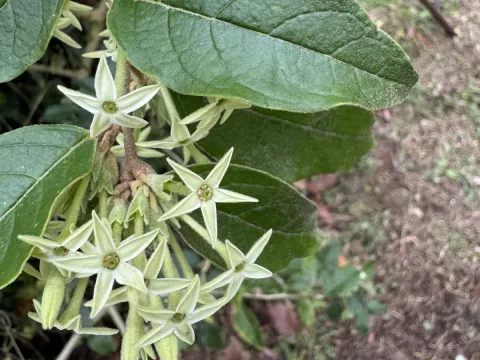
Cestrum calycinum
Cestrum calycinum
Sowing Cestrum calycinum seeds is best performed during the spring months when ambient temperatures remain consistently above 18 degrees Celsius. Using a high-quality, peat-based starting mix ensures optimal moisture retention and aeration for the germinating seeds.
What the section contains
Cestrum calycinum
Seeds should be covered lightly with a thin layer of soil, no more than 0.5 to 1 cm deep. Maintaining a consistent moisture level is critical during the initial three weeks to avoid dormancy or seedling death.
Propagation via stem cuttings is a common and reliable practice for this species. Semi-hardwood cuttings, taken during late summer, provide a robust way to replicate desirable parent plant traits.
When starting from cuttings, the use of rooting hormones and bottom heat can significantly enhance the success rate. Ensure the rooting medium is kept damp but never waterlogged to prevent stem rot.
Once seedlings or rooted cuttings are established, they should be transitioned gradually to their permanent planting site. Hardening off the plants over several days reduces transplant shock significantly.
Cestrum calycinum is a notable member of the Solanaceae family, originating from the diverse ecosystems of South America. It is cherished for its unique ornamental appeal and potential for landscape or greenhouse use.
This shrub thrives in locations that offer bright, indirect sunlight. While it can tolerate partial shade, full exposure to morning sun followed by afternoon shade is ideal for promoting vigorous vegetative growth.
A well-draining, nutrient-rich soil is essential for the health of Cestrum. It prefers a slightly acidic to neutral pH balance, which allows the plant to uptake necessary micronutrients effectively.
Watering needs are consistent throughout the active growth season. The soil should be kept uniformly moist, but growers must be careful to avoid water accumulation around the crown, which leads to root issues.
Given its tropical origins, this plant is not frost-hardy. In temperate climates, it must be grown in containers so it can be relocated to a greenhouse or frost-free environment before the first winter chill.
Aphids are the most common pests encountered on Cestrum calycinum. These small insects tend to cluster on new growth, causing leaf curling and general plant stress if left untreated.
Spider mites are another significant threat, particularly in hot and dry environments. They cause stippling on the leaves and can lead to premature leaf drop if the infestation remains uncontrolled.
Whiteflies can also become a problem, especially in protected cultivation environments like greenhouses. They are often difficult to eradicate once a large population has established itself on the plant.
Fungal diseases, such as various root rots, are typically the result of overwatering or poor drainage. Monitoring the moisture level and ensuring adequate spacing between plants are the best preventive measures.
Management of these pests and diseases involves a combination of good sanitation, proper cultural practices, and the judicious use of insecticidal soaps or systemic treatments when necessary.