
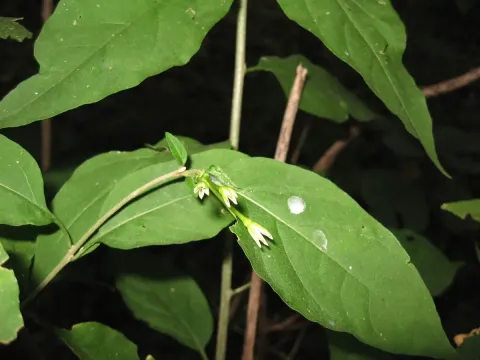
Cestrum alternifolium
Cestrum alternifolium
Cestrum alternifolium is an evergreen shrub belonging to the Solanaceae family. Originating from the tropical regions of the Americas, this species is valued for its unique foliage arrangement and its ability to thrive in warm, sheltered environments.
What the section contains
Cestrum alternifolium
The botanical structure of the plant features alternating leaves that are typically lanceolate or elliptic in shape. As a woody shrub, it develops a robust stem system that requires pruning to maintain a manageable size, especially when grown in containers or greenhouses.
This crop requires well-draining, nutrient-rich soil with a slightly acidic to neutral pH level. Proper aeration is crucial; therefore, using a mix of peat, perlite, and organic compost is recommended to ensure the roots have access to oxygen while retaining moderate moisture.
Climate requirements for Cestrum alternifolium center on warmth and consistent ambient humidity. It is a frost-sensitive plant, necessitating indoor protection in temperate climates, and it performs best under bright, indirect light conditions to prevent leaf scorching.
Agricultural management involves a consistent fertilization schedule during the growing season using a balanced NPK fertilizer. Regular watering is essential during spring and summer, while irrigation should be significantly reduced during the dormant winter phase to prevent root rot.
Cestrum alternifolium is susceptible to common greenhouse pests such as spider mites, aphids, and whiteflies. These insects typically thrive in low-humidity environments, making consistent air circulation and moisture control the primary methods of prevention.
Fungal diseases related to overwatering or poor drainage represent the most significant threat to the plant's health. Maintaining a clean growing environment and applying preventative fungicides during periods of high humidity are critical steps in protecting the crop.