
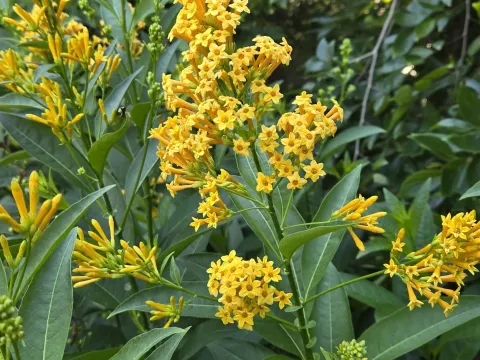
Cestrum
Cestrum hybrids
Cestrum (Cestrum hybrids) is a genus of shrubs belonging to the Solanaceae family, widely recognized for its ornamental potential. These plants are appreciated for their intense floral scent and adaptability to container cultivation in non-tropical climates.
What the section contains
Cestrum
Originating from the tropical regions of the Americas, Cestrum thrives in warm and humid environments. In commercial production, it requires consistent temperatures, usually ranging from 18°C to 25°C, as the plant is highly sensitive to frost and cold stress.
Soil management for Cestrum involves providing a well-drained, nutrient-rich substrate with a neutral to slightly acidic pH level. Proper aeration of the root zone is essential to prevent physiological disorders related to suffocation of the root system.
Cultivation practices include regular pruning to maintain plant shape and stimulate vegetative growth. During the active growth season, balanced mineral fertilization is necessary to support the high demand for nitrogen and potassium required for flower bud development.
The economic value of Cestrum lies in its role within the ornamental sector. It is commonly used as a specimen plant or in greenhouse production for landscaping, though growers must handle it with caution due to the presence of alkaloids throughout the plant tissue.
The primary pests affecting Cestrum production include sap-sucking insects such as aphids, spider mites, and whiteflies. Integrated pest management strategies are recommended to keep populations below economic injury levels without over-reliance on chemical controls.
Fungal diseases, especially root rot caused by Phytophthora species, represent a major threat under conditions of poor drainage or overwatering. Maintaining dry foliage and ensuring adequate air circulation are standard preventive measures against leaf spot diseases.