
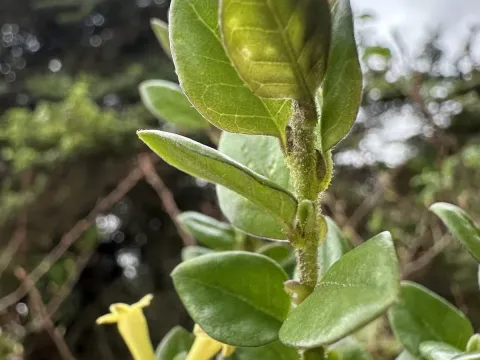
Cestrum buxifolium
Cestrum buxifolium
Cestrum buxifolium is a distinctive evergreen shrub belonging to the Solanaceae family. Known for its small, boxwood-like foliage, this species is cultivated primarily for its ornamental value in temperate to tropical climates, requiring specific attention to maintain its health and vigour.
What the section contains
Cestrum buxifolium
Originating from the high-altitude regions of South America, specifically the Andean cloud forests, the plant thrives in environments characterized by high humidity and moderate temperatures. In agricultural settings, it is typically grown in greenhouses or protected conservatory environments.
The plant demands a well-draining, nutrient-rich potting mix with a slightly acidic to neutral pH level. Proper aeration of the root zone is essential; therefore, incorporating perlite or coarse sand into the growing medium is a standard agronomic practice to prevent waterlogging.
Environmental conditions should be kept stable, with ideal daytime temperatures ranging from 15 to 22 degrees Celsius. It is highly sensitive to frost, necessitating indoor cultivation or moving the plants to temperature-controlled structures during colder winter months.
Routine care involves consistent irrigation, ensuring the substrate remains moist but not saturated. Foliar application of micro-nutrients during the active growth phase supports the development of lush foliage and improves the plant's resistance to environmental stress.
Aphids are the most common pests affecting Cestrum buxifolium, often targeting the soft tips of new growth. Integrated pest management strategies, including the use of systemic insecticides or biological controls like ladybugs, are recommended for large-scale greenhouse production.
Spider mites pose a significant risk, especially in low-humidity environments where the air is dry and stagnant. Regular misting and monitoring are essential to detect and mitigate infestations before they cause significant leaf drop or plant decline.
Root rot, primarily caused by Phytophthora or Pythium species, is a major threat in poorly drained soils. Preventing this requires careful regulation of irrigation and the use of sterile growing media for all container-grown specimens to avoid soil-borne pathogens.
Powdery mildew can develop on the leaves if airflow is restricted and humidity remains consistently high. Pruning for better air circulation and keeping the foliage dry overnight are effective cultural controls for managing this fungal issue.
Whiteflies can also become a nuisance in protected environments. Implementing sticky yellow traps and maintaining a rigorous cleaning schedule for greenhouse equipment helps suppress population growth and ensures the overall health of the crop cycle.