
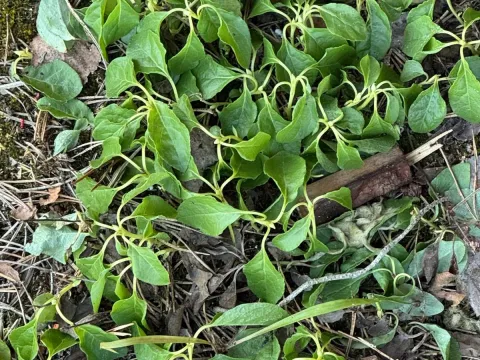
Orthilia secunda
Orthilia
Orthilia secunda, commonly known as sidebells wintergreen, is a small perennial plant belonging to the Ericaceae family. Its cultivation is specialized, as the plant requires specific ecological niches to thrive in agricultural or garden settings.
What the section contains

Orthilia secunda
The seeds are minute and dust-like, which makes traditional sowing techniques impractical. Propagation is more successful when using a combination of surface sowing on specialized substrates and vegetative division of established rhizomes.
For germination, the seeds require a period of cold stratification to break dormancy. Sowing is typically carried out in late autumn, allowing the seeds to experience winter temperatures naturally before spring sprouting.
When starting from seed in a controlled environment, it is essential to maintain high humidity and consistent temperatures. The seedlings are very fragile and grow slowly during their first two seasons of development.
In a farm setting, transplanting seedlings to their final location should be done once the plants have developed a sufficient root system, ensuring that the soil structure mimics the natural forest floor.
Orthilia secunda thrives in acidic, well-draining soils with a high content of organic matter. An optimal pH range of 4.5 to 5.5 is crucial for its long-term health and growth.
The plant has a symbiotic relationship with mycorrhizal fungi in the soil, which helps it absorb nutrients. Without this biological partnership, the plant struggle to establish and often fails to survive in domestic soils.
Shade is a mandatory requirement for successful cultivation. The plant naturally grows in the understory of coniferous forests, so providing 50-70% shade is necessary to prevent leaf scorching.
Moisture management is key; the soil must be kept consistently moist but not waterlogged. Stagnant water quickly leads to root rot, which is the most common cause of failure in cultivation.
Mulching with pine needles or leaf mold is recommended to maintain soil acidity, regulate temperature, and keep the roots cool, effectively simulating the plant's native habitat.
The primary threats to Orthilia secunda include fungal pathogens that attack the root system and foliage. These issues are almost always related to poor soil drainage and stagnant air conditions.
Leaf spots and wilting are common indicators of infection. Preventive measures include maintaining a proper planting density to ensure adequate airflow and avoiding overhead irrigation that leaves water on the foliage.
Pests such as mites and aphids can affect the plant during dry spells. While typically not lethal, heavy infestations can significantly weaken the plant's metabolic activity and reduce the quality of the raw material.
Gastropods, including slugs and snails, find the tender leaves attractive, particularly during damp seasons. Physical barriers or eco-friendly deterrents are often necessary to protect the crop.
Standard chemical pesticides are generally discouraged due to the medicinal use of the plant; therefore, integrated pest management focused on hygiene and environment modification is preferred.
The harvesting of Orthilia secunda is strictly timed with the peak of the flowering stage, ensuring the concentration of medicinal compounds like arbutin and flavonoids is at its highest.
The plants are harvested by carefully trimming the stems with shears, taking care to leave the subterranean rhizomes intact to permit future re-growth and population sustainability.
Once harvested, the material must be dried immediately in a dark, airy location. Avoiding direct sunlight is crucial to preserve the essential oils and chemical stability of the herb.
The final dried product is stored in airtight, moisture-proof containers in a cool, dark room. Properly stored material can retain its quality for up to two years.
Due to its specialized requirements and slow growth rate, the herb is considered a high-value niche crop, particularly for the pharmaceutical and natural health industries.