
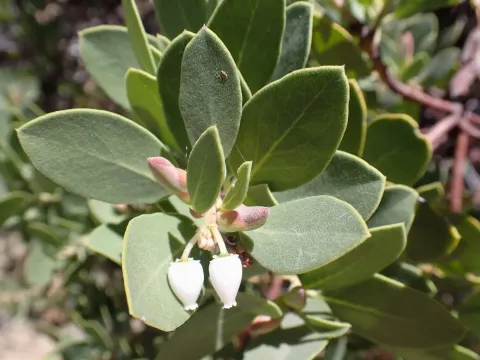
Parry manzanita
Arctostaphylos parryana
Parry manzanita is an evergreen shrub belonging to the Ericaceae family. In its natural habitat, this plant is primarily found in California regions, where it has adapted to the specific conditions of the local chaparral environment.
What the section contains
Parry manzanita
This species requires well-drained, dry soils with an acidic to neutral pH. The plant is extremely sensitive to excessive moisture stagnation, making the selection of a site with sandy or rocky substrate a key condition for successful cultivation.
The crop demonstrates high resistance to drought periods, which is facilitated by the presence of stiff, leathery leaves that minimize moisture evaporation. Optimal growth is observed in open, well-lit areas protected from strong cold winds.
Botanically, the species is characterized by slow growth and a dense canopy structure. The leaves have a distinctive grey-green hue, and flowering is accompanied by the appearance of white or pale pink, urn-shaped flowers arranged in inflorescences.
Economic use of Parry manzanita is limited to decorative landscaping in regions with Mediterranean climates. The plant is highly valued by landscape designers for its low maintenance requirements in arid conditions and its aesthetic appeal throughout the year.
The primary threat to the plant comes from root rot, caused by drainage issues and waterlogged soil. Fungal infections, such as Phytophthora, can quickly lead to the death of the shrub in environments with poor air circulation.
Among pests, the greatest danger is posed by sap-sucking insects, particularly mealybugs and scale insects. Their presence weakens the plant and can promote the development of sooty mold on the surface of the leaves.
Young specimens are often subject to aphid attacks, which extract sap from the terminal shoots. To control pest populations, it is recommended to use integrated pest management, including the use of biological control agents.
It is important to maintain cleanliness in plantings by removing fallen leaves and dead branches, where fungal spores can accumulate. Sanitary pruning is an essential procedure for maintaining plant health throughout the growing season.
Chemical treatment with fungicides should be carried out with caution, considering the sensitivity of the Ericaceae family to certain active ingredients. It is recommended to use copper-based products for preventive protection.