
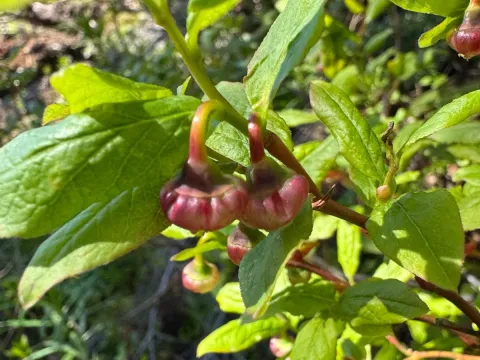
Thinleaf huckleberry
Vaccinium membranaceum
The thinleaf huckleberry (Vaccinium membranaceum) is a deciduous shrub belonging to the Ericaceae family, native to the mountainous regions of North America.
What the section contains
Thinleaf huckleberry
This species thrives in cool, moist climates with well-drained, acidic soils rich in organic matter, mimicking its natural forest floor habitat.
Successful cultivation requires soil pH levels between 4.5 and 5.5, which is essential for the plant to absorb necessary micronutrients from the ground.
While the plant can tolerate some sunlight, it prefers partial shade to protect its delicate foliage from heat stress during the hottest parts of the summer.
Adequate moisture management is crucial; the root system requires consistent hydration without ever becoming waterlogged, as poor drainage leads to root decay.
The thinleaf huckleberry is highly prized for its dark, flavorful berries that are considered a delicacy for fresh consumption or culinary applications.
Commercial yields are often determined by the age of the shrubs and the specific environmental conditions during the spring flowering season.
Pollination is a critical factor for productivity; therefore, planting multiple compatible clones can help ensure better fruit set and overall yield.
Regular pruning and targeted fertilization for acid-loving plants can significantly improve the berry size and the volume of the harvest over time.
In optimal conditions, established plantations can provide a consistent seasonal supply of berries, which remain a popular niche product in specialty markets.
Common threats to thinleaf huckleberry plants include fungal infections like rust and leaf spot, which thrive in humid and poorly ventilated conditions.
Pests such as aphids and various types of berry-feeding caterpillars can reduce the plant's vigor and damage the fruit, impacting quality.
Environmental stressors, such as late spring frosts, can destroy developing blossoms, directly resulting in a significant reduction of the annual crop.
Effective management includes keeping the planting area clean of weeds and old debris, which can serve as a reservoir for spores and pests.
Integrating cultural practices like proper plant spacing helps to maximize airflow, reducing the risk of disease outbreaks in professional orchards.
Harvesting thinleaf huckleberries requires patience and manual labor, as the berries mature gradually and are extremely fragile when fully ripe.
Pickers must handle the berries with care to avoid bruising, which quickly leads to mold development during storage or transport.
Ideally, berries should be harvested in the cool morning hours to ensure they maintain their firm texture and optimal nutritional quality.
Post-harvest handling involves immediate cooling or refrigerated storage to extend the shelf life of these delicate and highly perishable fruits.
Packing for market should be done in small, ventilated containers to prevent the weight of the berries from crushing those at the bottom of the container.