
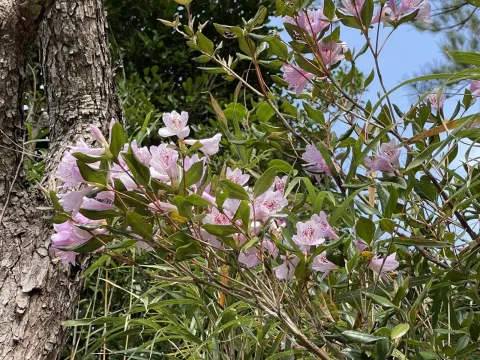
Tashiro rhododendron
Rhododendron tashiroi
The Tashiro rhododendron (Rhododendron tashiroi) is a member of the Ericaceae family. It is a distinctive evergreen or semi-evergreen shrub, highly valued in ornamental horticulture for its unique branching habit and vibrant, delicate blossoms.
What the section contains
Tashiro rhododendron
Native to the Ryukyu Islands and southern parts of Japan, this species is adapted to temperate and subtropical forest conditions. In a garden setting, it performs best when provided with partial shade and protection from harsh, drying winds.
The cultivation of this plant relies heavily on soil conditions: it strictly requires acidic, well-draining soil with a pH level between 4.5 and 5.5. Soil with high clay content or alkalinity is unsuitable and will inevitably lead to nutrient deficiencies like chlorosis.
Agricultural practices for Rhododendron tashiroi include consistent moisture management. Irrigation must be carried out using soft water, as minerals found in hard tap water can gradually alter the soil pH and damage the root system over time.
Mulching is a critical component of its care regime. Applying a layer of pine needles or organic bark helps stabilize soil temperature, retains essential moisture, and maintains the acidity level required for the plant's long-term health and growth.
The Tashiro rhododendron is susceptible to various fungal diseases, with Phytophthora root rot being the most common and dangerous. This typically occurs in poorly drained soils where stagnant water promotes the growth of pathogens.
Pests such as the rhododendron bug and spider mites are frequent threats. They feed on the sap of the leaves, causing discoloration, stippling, and eventual leaf drop, which severely impacts the plant's aesthetic value and vigor.
Integrated pest management is recommended to control these threats. This includes regular manual inspection of foliage and the strategic application of insecticides only when necessary to preserve the health of the shrub.
Powdery mildew can also affect the plant during humid, still weather. Proper spacing and careful pruning to ensure good airflow within the canopy are essential cultural practices to mitigate the development of this fungal condition.
In cases of severe infestation or disease, systemic fungicides or horticultural oils should be used according to the manufacturer's instructions. Always ensure that the plant is not under drought stress when applying treatments to avoid foliage damage.