
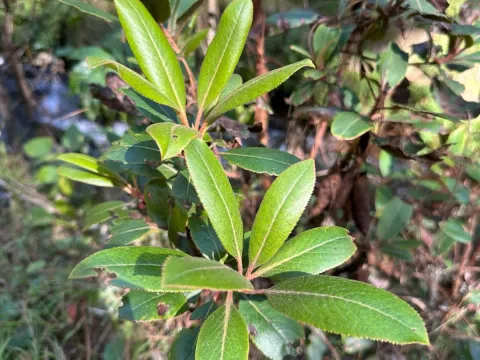
Texas madrone
Arbutus xalapensis
Texas madrone (Arbutus xalapensis) is an evergreen tree species belonging to the Ericaceae family. Native to the southwestern United States and Mexico, this slow-growing ornamental tree is highly valued for its striking, exfoliating red bark and persistent foliage.
What the section contains
Texas madrone
The tree thrives in well-drained, alkaline or neutral soils, showing a remarkable ability to adapt to rocky slopes. It is a drought-tolerant species once established, making it an excellent choice for low-maintenance landscapes and xeriscaping projects.
Climate-wise, it prefers regions with mild winters and hot summers. Exposure to full sun is essential for promoting dense foliage development and enhancing the color of the bark, which provides year-round aesthetic appeal.
Cultivation practices involve minimal intervention, as the tree does not require intensive pruning. However, ensuring good drainage at the planting site is mandatory to prevent crown rot, which is the primary cause of decline in this species.
In terms of хозяйство (utility), the fruits of the Texas madrone are edible and have historically been used in local cuisine. The wood is exceptionally hard and fine-grained, though harvesting is strictly controlled due to the tree's slow growth and conservation status in many areas.
The most significant threat to Texas madrone is the fungal disease caused by Botryosphaeria species, which can cause branch dieback. This is often exacerbated by mechanical injuries or stress from improper irrigation practices.
Root rot, particularly when the soil remains saturated for extended periods, is a common problem. Avoiding over-irrigation is the most effective way to protect the root system from lethal fungal infections.
Leaf-feeding insects, such as caterpillars and various types of beetles, may occasionally cause minor damage. While usually not fatal to mature trees, significant infestations on young saplings should be managed using integrated pest management techniques.
Providing adequate spacing in planting designs is essential to ensure proper airflow through the canopy. Poor circulation creates a microclimate conducive to fungal spores, increasing the risk of foliage diseases during humid seasons.
Monitoring the tree for signs of wood-boring insects is crucial, as they can cause significant damage to the trunk. Early detection and pruning of infested wood can help preserve the tree's overall structure and longevity.