
Therorhodion
Therorhodion
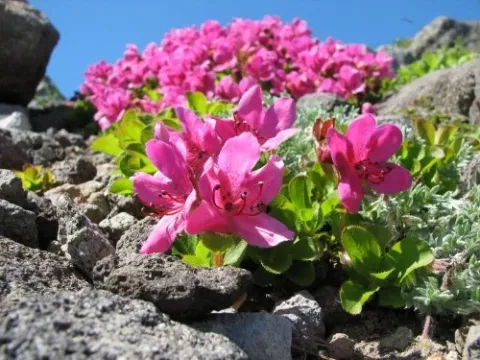
Therorhodion (commonly known as the Kamchatka rhododendron) is a distinct genus within the Ericaceae family, characterized by its prostrate growth habit and high tolerance for cold environments.
What the section contains

Therorhodion
Originating from the northern coastal regions of the Pacific, the plant is naturally distributed across Siberia, Kamchatka, Japan, and Alaska, often flourishing in tundra habitats and rocky slopes.
Successful cultivation requires mimicry of alpine conditions: well-drained, acidic soil is essential. The plant performs best in locations that provide cool air temperatures and consistent moisture without causing waterlogging.
Agronomic management involves meticulous site selection, prioritizing areas that avoid extreme summer heat. Using organic or mineral mulches is a critical practice to keep the root zone cool and retain necessary soil humidity.
The primary horticultural use of Therorhodion is as a high-value ornamental for rock gardens and alpine collections. Its compact size and vibrant flowers make it a prized specimen for specialized gardening enthusiasts.
Root rot, driven by poor soil drainage and stagnant water conditions, remains the most significant threat to the survival of the plant in cultivation.
Spider mites are a common pest issue, particularly in environments where low humidity persists, as they thrive on the foliage of heat-stressed specimens.
Powdery mildew may occur when plants are spaced too closely or grown in areas with poor air circulation, necessitating corrective pruning and proper spacing techniques.
Management of these threats focuses on preventive measures: ensuring high permeability of the soil substrate and utilizing appropriate fungicides when initial symptoms appear.
Constant monitoring of the moisture balance and the health of the root collar is mandatory to maintain plant vigor throughout the growing season.