
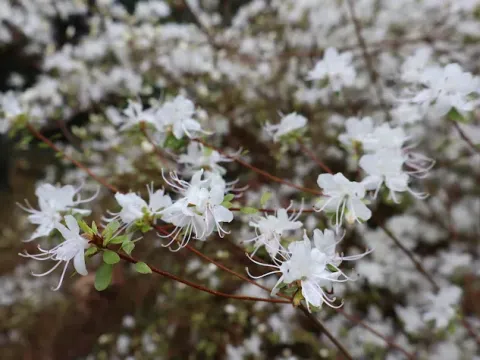
Thyme-leaf rhododendron
Rhododendron serpyllifolium
The thyme-leaf rhododendron is a miniature deciduous shrub belonging to the Ericaceae family. In its natural habitat, it is found in the mountainous regions of Japan, typically thriving on rocky slopes and areas with dappled sunlight.
What the section contains
Thyme-leaf rhododendron
For successful cultivation, this plant requires acidic, well-draining, and humus-rich soils. It is essential to maintain consistent but moderate substrate moisture while avoiding waterlogging, which is detrimental to the root system.
This species is characterized by slow growth and a compact habit, making it an ideal choice for rock gardens and container gardening. The temperature regime should be temperate; the plant is sensitive to strong winds and significant temperature fluctuations.
In terms of agricultural practice, using mulch made from pine needles or peat is critical to maintain the required soil acidity and protect the roots from overheating. Deep cultivation around the base should be avoided due to the plant's shallow root system.
Fertilization is carried out using specialized fertilizers for acid-loving plants during the spring season. It is vital to ensure that the fertilizer mix contains no lime, as this leads to chlorosis and the subsequent death of the shrub.
The main diseases affecting this culture include fungal infections such as phytophthora and leaf spots. These issues develop primarily when there is poor air circulation and excessive moisture in the soil.
Pests that threaten the rhododendron include spider mites and rhododendron bugs. These insects feed on the sap of the leaves, leading to the deformation of the crown and a significant loss of the plant's ornamental appeal.
To prevent infestation, it is necessary to perform prophylactic treatments with fungicides and insecticides at the beginning of the growing season. Regular inspection of the undersides of the leaves allows for the early detection of pests.
Violating cultivation rules, such as using alkaline water for irrigation, triggers the development of chlorosis. The plant loses its vibrant coloration, and the shoots gradually die off, reducing the overall vitality of the culture.
Proper site selection and adherence to a strict watering regimen are the primary methods for managing disease. In severe cases, the infected parts of the plant must be removed via sanitary pruning and destroyed away from the planting site.