
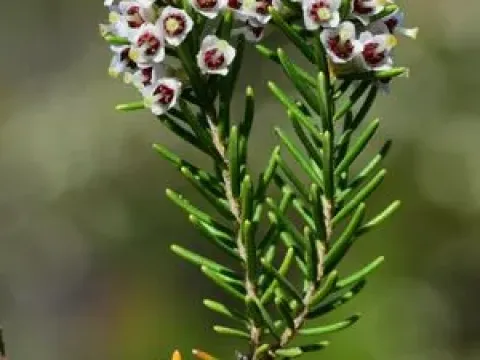
Tree heath
Erica arborescens
Tree heath (Erica arborea) is a perennial evergreen shrub or small tree belonging to the Ericaceae family. Known for its dense foliage and fine texture, it can reach significant heights in its native Mediterranean habitats.
What the section contains
Tree heath
The species is primarily native to the Mediterranean basin, the Canary Islands, and parts of East Africa. It thrives in regions with temperate maritime climates, preferring mild, humid winters and warm summers.
Successful cultivation of this species requires acidic, well-draining soil with a significant organic content. The plant is extremely sensitive to waterlogged conditions, which can lead to rapid root decay.
In terms of light exposure, tree heath prefers full sun to light shade. While it is hardy, young plants need protection from harsh, drying winds and extreme frost, which can cause significant damage to the canopy.
Consistent moisture is key for healthy growth. Applying a layer of mulch, such as pine bark or acidic compost, helps retain moisture and maintains the required soil acidity level throughout the season.
The most economically significant aspect of Erica arborea is its root burl, commonly known as briar. This wood is the premier material used globally for manufacturing high-quality smoking pipes.
Briar is highly prized due to its extreme heat resistance, durability, and intricate, beautiful grain patterns. The wood must be aged and carefully processed to ensure the quality of the finished product.
Harvesting for briar production is a long-term agricultural endeavor, as the root systems must mature for 30 to 50 years to develop the density and size required for professional craftsmanship.
Aside from its industrial use, tree heath is a highly ornamental plant in temperate gardens. It is particularly valued for its masses of small, white, fragrant flowers that bloom in early spring.
Pruning is essential for maintaining a compact shape and encouraging dense growth. This maintenance should be performed immediately after the flowering cycle to avoid cutting off future floral buds.
Tree heath is susceptible to root pathogens, particularly Phytophthora, which thrives in poorly drained soil. Ensuring excellent drainage and preventing overwatering are the best preventative measures.
Pests such as spider mites and scale insects can affect the plant, particularly in dry or stagnant air conditions. Regular monitoring of the foliage and stems is recommended to detect infestations early.
Nutritional deficiencies, specifically iron chlorosis, can occur if the soil pH is not maintained within the required acidic range. This causes yellowing leaves and can weaken the overall vigor of the plant.
Environmental stress, such as exposure to strong, icy winds, can result in foliage browning and branch dieback. Providing shelter or windbreaks is advisable in exposed gardening locations.
Integrated pest management, including regular sanitation and the careful choice of site, is vital for the long-term health and survival of this species in home or commercial landscapes.