
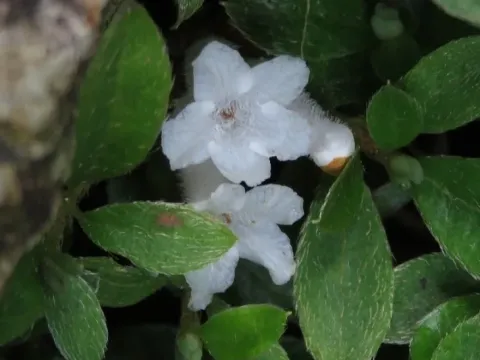
Tsusiophyllum
Tsusiophyllum
Tsusiophyllum (Tsusiophyllum tanakae) is a rare monotypic genus of dwarf shrubs belonging to the Ericaceae family. Native to the mountainous regions of Japan, this plant is highly prized by collectors of alpine and ericaceous flora for its delicate growth habit and small, bell-shaped flowers.
What the section contains

Tsusiophyllum
In its natural habitat, Tsusiophyllum thrives on rocky slopes and in areas with consistent moisture and high humidity. It is an acid-loving plant that requires a specialized substrate composed of peat, pine needles, and sand to ensure the high drainage capacity and low pH levels it demands.
When cultivated in a garden setting, the plant requires a spot with filtered light or partial shade. Exposure to intense midday sun, especially in warmer climates, can cause leaf scorch and dehydration. Proper placement is crucial to prevent environmental stress, which the plant is highly susceptible to.
Soil chemistry is the most important factor for long-term health. The pH levels should remain between 4.5 and 5.5. Regular monitoring of the soil is advised, and the use of acidifying fertilizers designed for rhododendrons or azaleas can help maintain the required nutrient availability for the plant.
Watering must be done with soft, lime-free water. Rainwater is ideal, as tap water often contains minerals that shift the pH balance of the soil over time. Consistent moisture is necessary, but the soil must never be waterlogged, as the roots require aeration to prevent decay.
The most significant threat to Tsusiophyllum is root rot caused by stagnant water. Once the root system begins to decay due to poor drainage, the plant typically declines rapidly. Ensuring a gravel or coarse sand layer at the bottom of the planting hole is essential.
Spider mites are common pests during dry spells. These pests inhabit the undersides of the small leaves, causing discoloration and stippling. Frequent inspection and high-humidity environments help minimize the risk of infestation, and horticultural soaps can be used if needed.
Fungal leaf spot diseases may occur if air circulation is insufficient. Pruning for better structure and avoiding overhead watering during cool, damp weather helps keep the foliage dry and healthy, which is a major preventive measure against common ericaceous fungi.
Scale insects can occasionally infest the stems. Due to the dense branching habit of the shrub, these pests can be difficult to spot until they have established a large colony. Manual removal with a soft brush or specific treatment is recommended upon discovery.
Winter desiccation is a common cause of branch dieback. In areas with harsh winters, protection from drying winds and cold temperatures using horticultural fleece or mulch is highly beneficial to ensure the shrub emerges in good condition in the spring.