
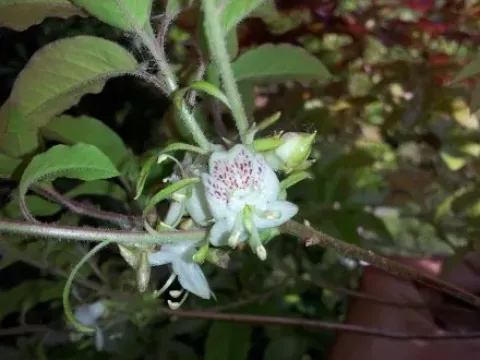
Rhododendron semibarbatum
Rhododendron semibarbatum
Rhododendron semibarbatum is a deciduous shrub belonging to the Ericaceae family. Native to the mountainous forests of Japan, this species is highly regarded for its unique botanical features, including the distinctively hairy stamens that give the plant its name.
What the section contains
Rhododendron semibarbatum
This shrub prefers a temperate, cool climate with moderate moisture levels throughout the growing season. It performs best in regions where high atmospheric humidity can be maintained, mimicking its natural woodland habitat.
For successful growth, the cultivation site must provide acidic soil with a pH ranging from 4.5 to 5.5. A well-draining substrate is absolutely critical, as the plant's delicate root system is prone to rot in waterlogged conditions.
The plant thrives in partial shade, where it is shielded from harsh, direct sunlight and drying winds. Planting it in the vicinity of taller trees or conifer stands often provides the necessary light filtration and environmental stability.
Agronomic management requires consistent mulching around the root zone using organic material like pine needles or bark. This practice helps stabilize soil moisture and suppresses the growth of weeds, which could otherwise compete with the shrub's shallow roots.
The primary pathological threats to Rhododendron semibarbatum include various fungal infections, such as Phytophthora root rot and leaf spots, which are often triggered by improper drainage or excessive soil moisture levels during rainy periods.
Pest pressure is frequently driven by the rhododendron bug and spider mites. These pests pierce the leaf tissue, causing chlorosis and premature leaf drop, which can significantly debilitate the plant if not controlled promptly.
Effective pest management involves regular monitoring and the application of systemic insecticides or miticides during the early stages of an infestation. Preventive measures, such as proper spacing and hygiene, play a vital role in reducing pest populations.
Physiological disorders, specifically nutrient deficiency induced chlorosis, are common when the soil chemistry deviates from the optimal acidity. Utilizing chelated iron supplements is a standard procedure to restore green coloration and vigor.
Winter injury can also occur if the shrubs are not properly hardened off or if they are exposed to desiccating winter winds. Applying protective coverings during severe frost periods is recommended to safeguard the plant's structural integrity.