
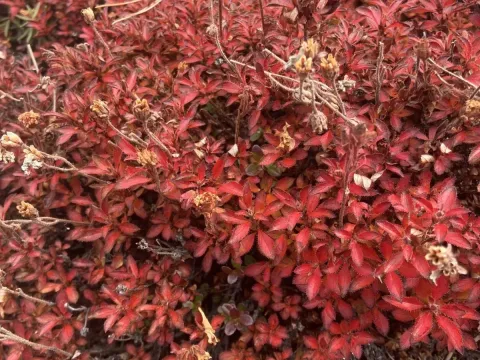
Rhododendron redowskianum
Rhododendron redowskianum
Rhododendron redowskianum is a dwarf shrub belonging to the Ericaceae family, known for its extreme resilience in alpine and arctic tundra environments. It is native to the high-mountain regions of Northeastern Asia, where it thrives in rocky, nutrient-poor substrates.
What the section contains
Rhododendron redowskianum
This species requires a cold climate with cool summers to flourish. It is notoriously difficult to grow in regions with hot, humid summers, as the plant struggles with heat stress and poor airflow around its low-growing foliage.
Soil requirements are strictly acidic, with a pH range ideally between 4.5 and 5.5. The planting medium must be highly porous and well-drained, consisting of a mix of peat, coarse sand, and conifer needles to mimic its natural montane habitat.
Light conditions should be carefully managed; while it requires energy for growth, intense direct sunlight can scorch the foliage. Partial shade or a position protected from midday sun is crucial for maintaining the health of this delicate shrub.
In terms of agricultural and horticultural use, it is prized as a collector's plant for specialized rock gardens and alpine displays. Its slow growth rate and compact habit make it an ideal choice for high-altitude landscaping and miniature garden designs.
Fungal pathogens are the primary threat to Rhododendron redowskianum, particularly those affecting the root system such as Phytophthora. These often proliferate in waterlogged soils with insufficient drainage.
Foliar diseases, including various leaf spot fungi, can occur when foliage remains damp for prolonged periods. Ensuring adequate ventilation and avoiding overhead irrigation can significantly mitigate these risks.
Pests like spider mites are common problems during periods of low humidity and high temperature. Regular misting of the surrounding area and monitoring the underside of leaves can help in early detection.
Nematodes in the soil may also damage root tissues, leading to a general decline in plant vigor. Proper site selection and avoiding previous hosts of these pests are essential for long-term survival.
Good horticultural practice involves using a mulch layer, such as pine bark, to keep the root zone cool and moist, while simultaneously discouraging the development of common soil-borne pathogens.