
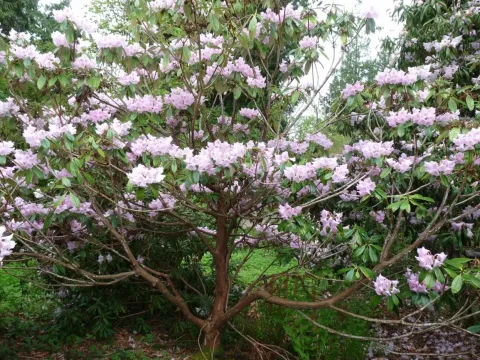
Rhododendron rude
Rhododendron rude
Rhododendron rude is a distinctive species belonging to the Ericaceae family, native to the high-altitude mountainous regions of China. This evergreen shrub is highly valued in ornamental horticulture for its unique foliage and vibrant flowering patterns.
What the section contains
Rhododendron rude
The plant requires specific soil conditions for healthy development. It thrives in well-drained, highly acidic soils rich in organic matter, typically peat or decomposed pine needles, which mirror its natural forest floor habitat.
Environmental conditions play a critical role in the plant's survival. Rhododendron rude prefers dappled shade and locations sheltered from harsh winds, which can easily cause leaf desiccation during both the winter and peak summer heat.
Water management is a key aspect of its agronomy. Consistent moisture levels must be maintained in the root zone, while simultaneously ensuring that water does not stand stagnant around the base, which would inevitably lead to root hypoxia.
Given its geographical origin, this species requires moderate temperatures. While it has some adaptability, intensive gardening in non-native climates often requires supplemental protection, such as winter mulching or artificial shading during summer months.
The primary threats to Rhododendron rude include fungal pathogens, such as Phytophthora, which causes root rot in waterlogged soils. Early detection of leaf yellowing is vital for managing these systemic infections effectively.
Insect pests such as rhododendron borers and spider mites frequently attack the plant, feeding on the undersides of leaves. Regular inspection of the foliage is necessary to identify these pests before they cause irreversible damage.
Integrated pest management strategies should be employed, focusing on cultural practices such as proper spacing and air circulation to inhibit fungal spore development. These methods significantly reduce the need for chemical intervention.
Chemical control involving fungicides and miticides should be used as a last resort. Applications must be timed precisely according to the pest life cycle and should always follow recommended dosage rates to prevent chemical burns on the leaves.
Maintaining high plant hygiene is crucial for preventing the spread of diseases. This includes the systematic removal of fallen leaves and the pruning of dead wood, which can harbor dormant pests or spores during the winter season.