
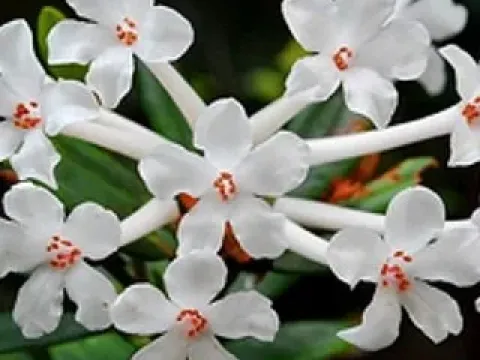
Rhododendron taggianum
Rhododendron taggianum
Rhododendron taggianum is a stunning evergreen shrub belonging to the Ericaceae family. Native to the high-altitude forests of Myanmar and China, this species often exhibits epiphytic or lithophytic growth habits, thriving in cool, mist-covered mountainous environments.
What the section contains
Rhododendron taggianum
The plant demands a specific microclimate characterized by high air humidity and protection from harsh, direct sunlight. Cultivation requires a sheltered location with filtered light, as the foliage is prone to scorching if exposed to intense heat and direct midday solar radiation.
Soil management is critical for this species; it necessitates an acidic growing medium (pH between 4.5 and 5.5). A light, airy, and well-draining substrate composed of peat moss, pine bark, and perlite is essential to prevent root asphyxiation and promote vigorous growth.
Temperature control is paramount for success, as Rhododendron taggianum is not frost-hardy in temperate regions. It is best suited for cultivation in greenhouses, conservatories, or temperate climates where ambient temperatures remain consistently mild throughout the year.
Regular maintenance involves keeping the root zone moist but never waterlogged. The use of specialized acidic fertilizers is recommended to maintain the correct soil chemistry and ensure the plant receives the micronutrients necessary for lush leaf development.
Fungal pathogens represent the most significant threat to Rhododendron taggianum, particularly when ventilation is poor or moisture levels remain excessive. Root rot, caused by various species of Phytophthora, can rapidly destroy the root system in poorly drained soil.
Powdery mildew is another common issue that appears when humidity fluctuations occur within the foliage canopy. Maintaining consistent air movement around the plant is an effective cultural control method to inhibit the growth of fungal spores.
Insect pests such as spider mites and scale insects frequently attack this species. These pests thrive in indoor or protected environments where natural predators are absent, often leading to stunted growth and a loss of aesthetic quality if left untreated.
- Monitor for discoloration or webbing on the leaf undersides.
- Apply systemic insecticides or horticultural oils during the early stages of infestation.
- Ensure that the plant is kept clean and free of decaying organic matter to discourage pest nesting.
Prompt identification of disease symptoms is essential, as the species is delicate and does not tolerate severe physical stress. Regular monitoring combined with appropriate pesticide application ensures the longevity of the shrub in a horticultural setting.