
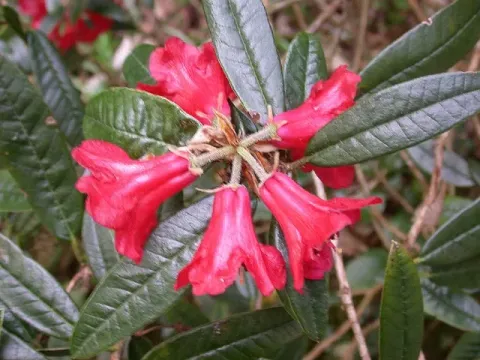
Rhododendron sperabile
Rhododendron sperabile
Rhododendron sperabile, commonly known as the reliable rhododendron, is a striking evergreen shrub belonging to the Ericaceae family. Native to the mountainous regions of Tibet and Southwest China, it thrives in cool, humid, and shaded environments characteristic of high-altitude forests.
What the section contains
Rhododendron sperabile
Botanically, this species is distinguished by its upright growth habit, reaching heights of 1 to 2 meters. The leaves are elliptical or lanceolate, possessing a leathery texture and a distinctive indumentum (hairiness) on the underside, which provides both visual interest and protection against harsh environmental conditions.
Cultivation of this species demands acidic, well-draining soils rich in organic matter. An optimal pH level between 4.5 and 5.5 is crucial for nutrient uptake, particularly iron and manganese, preventing chlorosis and ensuring healthy foliage development throughout the growing season.
The plant requires a sheltered position with dappled sunlight or partial shade. Direct afternoon sun can scorch the foliage, while complete darkness may lead to sparse flowering and reduced plant vigor. Protection from cold, drying winds is essential to safeguard the flower buds during late winter.
Agronomic practices focus on maintaining consistent soil moisture through regular mulching with pine needles or bark. This not only retains humidity but also helps sustain the required soil acidity, providing a stable rooting environment for the shallow root system typical of this genus.
The primary pathological threats include fungal infections such as Phytophthora root rot, which is highly prevalent in waterlogged soils. Early symptoms involve yellowing foliage and branch dieback, often signaling compromised root health due to poor drainage management.
Common insect pests include the rhododendron bug and spider mites. These pests typically congregate on the underside of leaves, causing chlorotic stippling and eventual leaf drop if populations are not managed through timely integrated pest management strategies.
Fungal disease control is best achieved through improved cultural practices, such as increasing plant spacing to enhance airflow and applying copper-based fungicides when conditions favor spore germination. Sanitation involving the removal of infected debris is vital for preventing disease cycles.
Spider mites can be managed using horticultural oils or systemic acaricides, particularly during dry spells when mite reproduction peaks. Monitoring the undersides of leaves is recommended as part of routine garden health inspections.
Long-term plant health depends on balancing irrigation with natural drainage. Avoiding overhead watering during humid periods helps prevent the proliferation of foliar pathogens, ensuring the shrub remains robust and resistant to standard horticultural stressors.