
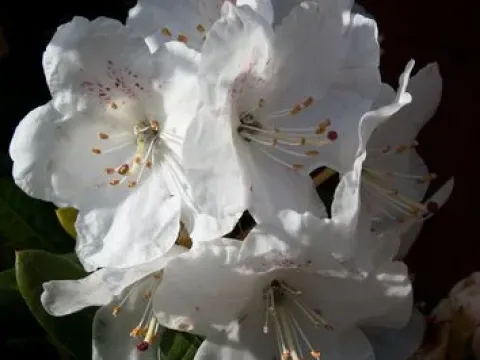
Rhododendron rigidum
Rhododendron rigidum
Rhododendron rigidum is a distinctive evergreen shrub belonging to the Ericaceae family. Known for its aesthetic appeal, this species is frequently cultivated for landscape design in regions with suitable microclimates.
What the section contains
Rhododendron rigidum
Originating from the mountainous terrains of China, this species thrives in environments characterized by high humidity and temperate conditions. It occupies a specialized ecological niche typical of high-altitude forests.
The plant requires acidic soil conditions, ideally with a pH between 4.5 and 5.5. A well-draining substrate is mandatory, as the root system is highly susceptible to hypoxia if water accumulates around the base of the plant.
To ensure healthy development, Rhododendron rigidum should be placed in partial shade. Excessive exposure to intense sunlight can lead to leaf scorch, particularly in climates with hot summers and low humidity.
Successful cultivation relies on consistent moisture levels. Mulching with organic matter such as pine needles or pine bark is highly recommended to preserve soil acidity, regulate temperature, and retain moisture.
Fungal pathogens such as Phytophthora root rot represent a significant threat to this species. These diseases are often exacerbated by poor drainage and excessive moisture in the root zone.
Common insect pests include the rhododendron bug and spider mites. These pests typically damage foliage, causing chlorosis or stippling, and may weaken the plant if infestations are not controlled promptly.
Integrated pest management strategies involve regular monitoring and the use of insecticidal soaps or systemic pesticides when necessary. Maintaining plant vigor through proper nutrition is the first line of defense.
Physical damage to the bark or stems can provide entry points for opportunistic pathogens. Careful handling and proper pruning techniques are essential to maintain the integrity of the shrub’s structure.
During the dormant season, winter protection may be required in colder climates to prevent desiccation of the evergreen leaves caused by freezing winds.