
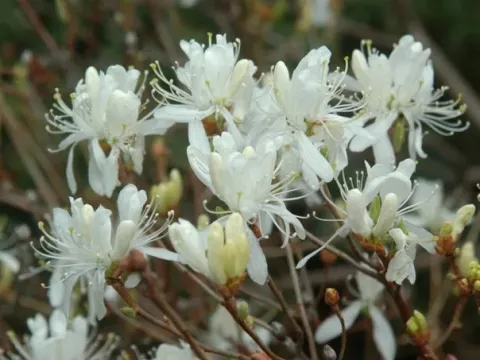
Rhododendron purdomii
Rhododendron purdomi
Rhododendron purdomii is an ornamental shrub belonging to the Ericaceae family. It is a rare species native to the mountain forests of China, prized for its unique foliage and delicate blooms.
What the section contains
Rhododendron purdomii
The plant strictly requires acidic soil with a pH ranging from 4.5 to 5.5. Sandy or loamy soils enriched with peat or compost are ideal for creating a healthy root environment.
Proper site selection involves finding a spot with partial shade. Intense direct sunlight can desiccate the leaves, while deep shade can significantly reduce the number of flowers produced.
Watering management is critical for this species. It requires consistent moisture but cannot tolerate waterlogging, which necessitates excellent drainage to prevent crown and root rot.
Mulching is a standard practice for cultivating Rhododendron purdomii. Applying a layer of pine bark or pine needles helps retain moisture, regulate temperature, and maintain the necessary soil acidity.
Fungal diseases, including Phytophthora root rot, are the primary threats. These pathogens often thrive in poorly drained soils and during periods of excessive rainfall.
Pests such as the lace bug are commonly associated with rhododendrons. They feed on the underside of leaves, causing yellowing and a mottled appearance that reduces the plant's aesthetic value.
Spider mites are frequently encountered during hot and dry summers. Regular inspection and spraying with water or horticultural oils can help manage mite populations effectively.
Powdery mildew can affect the foliage if air circulation is restricted. Pruning overcrowded branches is essential to allow air flow and reduce the humidity around the leaf canopy.
Effective pest and disease control requires a preventative approach, including the removal of fallen leaves and the application of fungicides at the first sign of infection.