
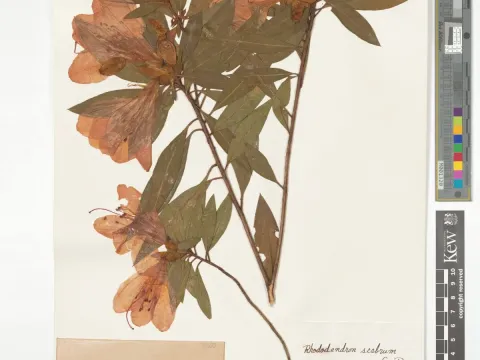
Rhododendron scabrum
Rhododendron scabrum
Rhododendron scabrum is a notable species belonging to the Ericaceae family, widely recognized for its high ornamental value. Originating from Japan, this shrub is well-adapted to woodland environments, where it grows as an evergreen perennial. Its botanical features include distinctively hairy, leathery leaves and showy flowers that make it a favorite in garden landscaping.
What the section contains
Rhododendron scabrum
To ensure optimal development, the culture requires acidic soils with a pH ranging from 4.5 to 5.5. The soil structure should be loose, well-drained, and rich in organic matter, such as peat moss or pine bark. Poor drainage is a critical limiting factor, as it quickly leads to root rot and eventual plant decline.
The plant thrives in partial shade conditions, ideally shielded from intense afternoon sunlight. Exposure to high-intensity light can cause significant stress to the foliage. Adequate wind protection is also essential to prevent dehydration and to keep the microclimate around the plant stable and sufficiently humid.
Cultivation practices focus on consistent moisture management. Irrigation should be performed using soft, non-alkaline water. Fertilization must be carefully managed using acidic fertilizers tailored for Ericaceous plants; it is vital to avoid standard chemical fertilizers that may alter the soil pH or burn the sensitive root system.
Maintenance tasks involve the application of mulch around the root base, which preserves soil moisture and prevents the growth of competitive weeds. Pruning is generally reserved for removing dead wood or shaping the plant after the blooming cycle has concluded, ensuring that the next year's flower buds are not removed.
The main threats to Rhododendron scabrum are soil-borne pathogens like Phytophthora, which flourish in waterlogged conditions. Maintaining proper soil porosity and applying suitable fungicides when necessary is the primary strategy for managing these diseases effectively.
Insect pests such as rhododendron bugs and spider mites are common. These pests attack the foliage, leading to yellowing and loss of vigor. Integrated pest management, including regular inspection and the use of targeted biological or chemical control agents, is recommended for maintaining plant health.