
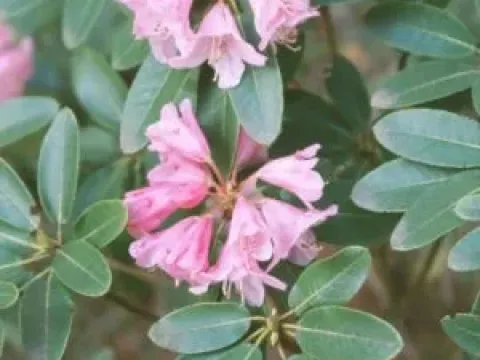
Selen rhododendron
Rhododendron selense
Rhododendron selense is a distinctive evergreen shrub belonging to the Ericaceae family. It originates from the high-altitude mountain ranges of Yunnan, China, where it thrives in alpine environments characterized by cool temperatures, high humidity, and acidic, nutrient-rich soils.
What the section contains
Selen rhododendron
The successful cultivation of this species requires a substrate that mimics its native habitat: high acidity (pH 4.5–5.5), excellent drainage, and significant organic matter content. Preventing root rot is critical, so a raised bed or a site with coarse soil structure is highly recommended.
The plant performs best in partial shade, as intense sunlight can dehydrate the foliage and cause severe leaf burn. Providing shelter from harsh, drying winds is equally important to maintain the plant's health throughout the year, especially during cold winter months.
Botanically, it is defined by its dense, leathery, and often slightly glaucous leaves. The floral display typically consists of funnel-shaped blossoms in various shades of white or pink, often adorned with faint spots, making it a highly prized specimen in high-end landscape architecture.
In terms of хозяйственное использование, this shrub is primarily utilized as an ornamental plant. It is frequently integrated into ericaceous gardens, woodland settings, or as a feature plant in specialized alpine landscaping where moisture and soil acidity can be strictly controlled.
Rhododendron selense is susceptible to various fungal pathogens, with Phytophthora root rot being the most dangerous. This usually occurs in poorly drained soils where stagnant water promotes the growth of oomycetes that destroy the roots.
Leaf spots caused by various fungi can diminish the plant's aesthetic appeal. These are typically managed by ensuring adequate air circulation through proper spacing and by removing any fallen leaves that could harbor fungal spores during the dormant season.
Pests such as the rhododendron bug or spider mites can cause significant damage. These insects pierce the leaf tissue to feed on sap, leading to stippling, chlorosis, and eventually loss of vigor in infested plants.
Snails and slugs can cause localized damage to soft new growth during the spring. Implementing manual barriers or using eco-friendly bait is often necessary in damp, shady garden corners where the plant is frequently positioned.
Effective management involves an integrated approach: selecting disease-resistant cultivars, maintaining optimal soil pH, and applying preventative horticultural oil or fungicide treatments only when environmental monitoring suggests high disease pressure.