
Sensitive manzanita
Arctostaphylos sensitiva
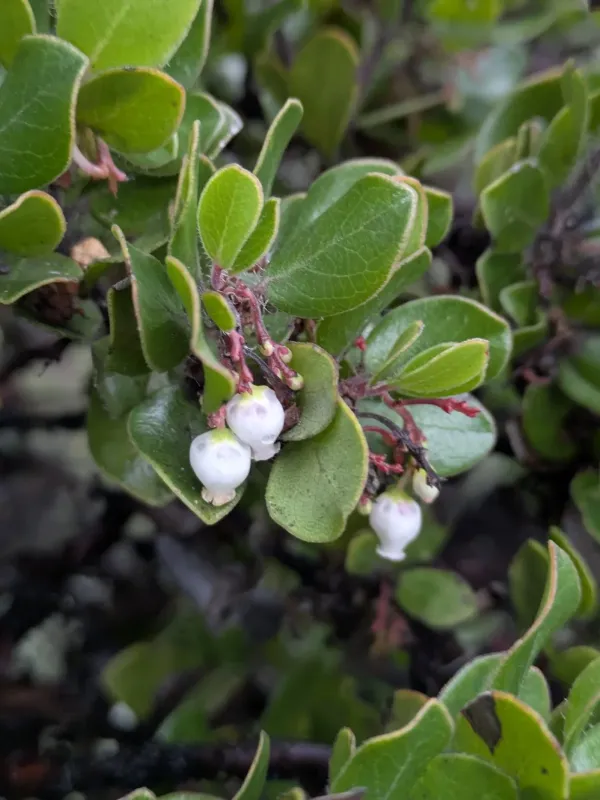
Description
Growing requirements
Sensitive manzanita (Arctostaphylos sensitiva) is a unique evergreen shrub belonging to the Ericaceae family, native to the coastal ranges of central California.
The plant grows primarily in chaparral habitats, exhibiting a strong preference for well-draining, nutrient-poor, acidic to neutral soil types.
Climatically, it is adapted to Mediterranean weather patterns, characterized by mild, wet winters and warm, dry summers with intense sunlight exposure.
It is crucial to provide deep, infrequent watering once established, as constant moisture leads to rapid root decline and overall plant health deterioration.
The shrub features a compact growth habit, making it an excellent choice for erosion control and naturalistic garden designs that focus on water efficiency.
Main diseases and pests
Phytophthora root rot remains the most severe threat to Sensitive manzanita, often triggered by excessive irrigation or poor soil structure.
Fungal leaf spot diseases can occur during humid spring weather, potentially leading to premature defoliation if left untreated by proper spacing.
Insect pests, including aphids and scales, may colonize stems and leaves, causing aesthetic damage and weakening the plant's structural integrity.
Root disturbances from landscaping activities should be avoided at all costs, as the plant possesses a sensitive root system that does not tolerate compaction.
Preventative measures include maintaining adequate air circulation through selective pruning and ensuring that the soil surface remains free of excess organic mulch.