
Saluen rhododendron
Rhododendron saluense
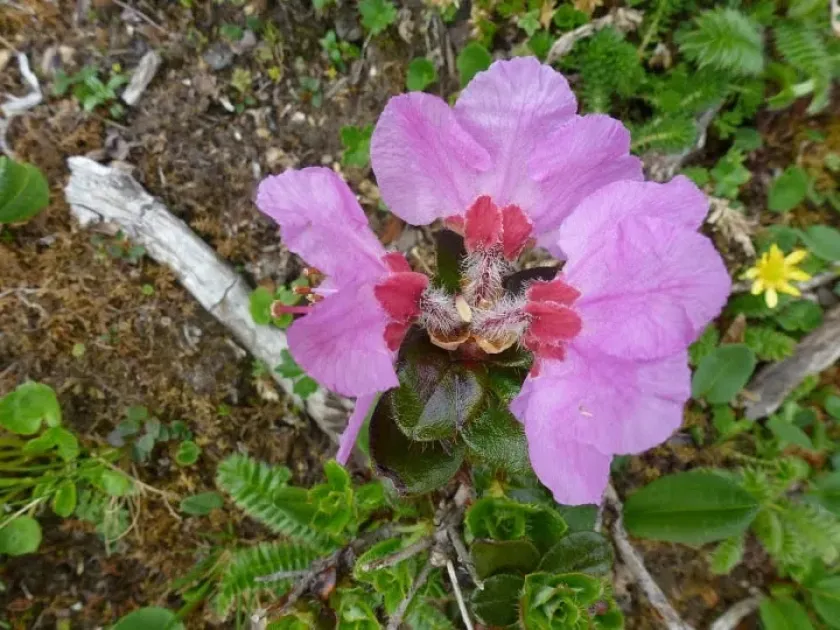
Description
Growing requirements
Rhododendron saluense belongs to the Ericaceae family, known for its dwarf, evergreen habit. It typically grows as a low, dense shrub, making it a perfect candidate for rock gardens and borders.
Native to the high-altitude regions of the Eastern Himalayas and Yunnan, this species is well-adapted to cool, misty climates. It thrives in habitats characterized by rocky, acidic, and well-draining terrain.
The cultural requirements are strictly defined by its native environment. It demands soil with a low pH level, high organic matter content, and excellent drainage to ensure the fine root system does not suffer from root rot.
Lighting is crucial for this rhododendron; it prefers partial shade or dappled sunlight. Full exposure to intense afternoon heat can scorch the leaves and weaken the plant's overall vigor.
Proper aeration of the soil is achieved by incorporating pine needles or peat moss into the planting hole. This creates the loose, acidic structure that promotes healthy root development and nutrient uptake.
Main diseases and pests
Phytophthora root rot is the most serious threat to Rhododendron saluense. This soil-borne pathogen flourishes in waterlogged, poorly drained conditions and can kill an established plant rapidly.
Lace bugs are common pests that feed on the undersides of leaves, causing them to appear mottled or silvery. Regular scouting is necessary to catch infestations early before significant damage occurs.
Nutrient deficiencies, particularly iron chlorosis, occur when the soil pH rises above 6.0. The inability to absorb iron prevents chlorophyll production, leading to yellowing leaves with green veins.
Botrytis blight may affect flowers during periods of prolonged wet weather. It is recommended to remove faded flowers and damaged foliage promptly to prevent the spread of fungal spores.
Winter desiccation is another risk factor. Ensuring the shrub is well-watered before the ground freezes helps it withstand drying winter winds and prevent tissue damage in early spring.