
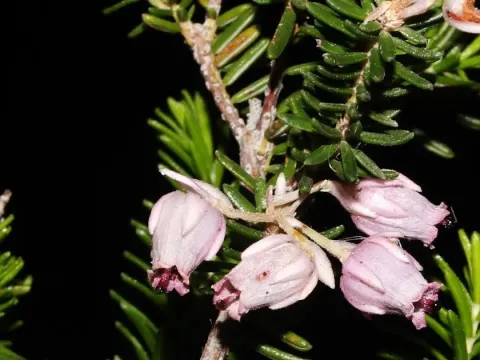
Sicilian heath
Erica sicula
Sicilian heath (Erica sicula) is a distinguished member of the Ericaceae family, widely recognized for its elegant growth habit and Mediterranean origin. This evergreen perennial shrub typically thrives in rocky terrains and coastal environments of Sicily and nearby regions.
What the section contains
Sicilian heath
The biological nature of this plant is closely linked to its adaptation to nutrient-poor soils. It prefers acidic to neutral growing conditions with high levels of aeration. In home gardens, it is essential to mimic these natural characteristics to ensure plant longevity.
Optimal site selection is crucial for the success of Erica sicula. It requires full sunlight exposure, which encourages denser branching and more prolific flowering. Shade should be avoided as it leads to weak stems and increased susceptibility to fungal issues.
Proper soil preparation involves mixing native soil with coarse sand or horticultural grit. This structure prevents water retention around the root ball, which is the most frequent cause of plant failure during the cultivation process.
While the plant is considered drought-tolerant once established, young specimens require consistent monitoring. During the first growing season, supplemental watering during prolonged dry spells is recommended to help the root system expand into the surrounding soil.
The primary threats to Sicilian heath revolve around moisture management. Root rot, caused by Phytophthora species or other water-borne pathogens, is a lethal issue that strikes when drainage is inadequate and soil stays soggy for long durations.
Fungal leaf diseases, such as powdery mildew, often appear when the plant is grown in environments with high humidity and poor air circulation. Proper spacing between shrubs is an essential preventive measure that gardeners should implement.
Common insect pests include aphids and spider mites, which can cause significant stress to the plant by puncturing leaf tissue and sucking plant sap. These pests tend to multiply quickly during hot and dry weather conditions.
Scale insects can also infest the stems of the plant, often going unnoticed until the damage becomes severe. Regular visual checks and pruning of dead or diseased branches help maintain a healthy plant and prevent pest outbreaks.
Effective management includes maintaining a clean growing area and utilizing organic or chemical pesticides only when necessary. Always prioritize cultural practices such as correct watering and appropriate site selection to foster natural plant immunity.