
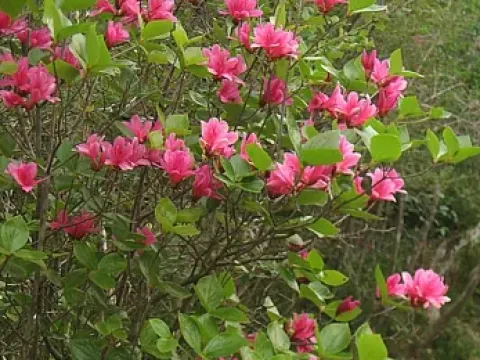
Sacred Rhododendron
Rhododendron sanctum
The Sacred Rhododendron (Rhododendron sanctum) is a rare and highly valued ornamental shrub belonging to the Ericaceae family. Native to the mountainous regions of Japan, it is characterized by its refined appearance and specific ecological niche requirements.
What the section contains
Sacred Rhododendron
For successful cultivation, the plant requires a highly acidic growing medium, typically ranging from pH 4.5 to 5.5. A well-draining soil mixture rich in organic matter, such as peat moss and pine bark, is essential to mimic the plant's native habitat and ensure root health.
This species thrives in partial shade conditions, where it is shielded from the intensity of direct afternoon sunlight. Maintaining high atmospheric humidity is also beneficial, as it prevents the foliage from drying out during hot summer months or low-humidity spells.
The agronomic management of Rhododendron sanctum involves consistent watering with soft, non-alkaline water. It is vital to maintain a constant level of soil moisture without causing waterlogging, which the plant is highly sensitive to, often leading to rapid root decay.
In terms of agricultural and horticultural use, this rhododendron serves primarily as a collector's specimen and a centerpiece in landscape design. Its aesthetic appeal makes it a staple for themed gardens, particularly those designed to reflect traditional Japanese gardening styles.
The primary threats to this culture are root rots, particularly Phytophthora, which proliferate in poorly drained soils. Providing an excellent drainage system and using preventative fungicide treatments are crucial steps in managing these significant pathological risks.
Pests such as the rhododendron bug and various species of mites can significantly impair the plant's vigor. Regular monitoring of the foliage is necessary to detect early signs of infestation, allowing for prompt intervention with environmentally appropriate insecticidal controls.