
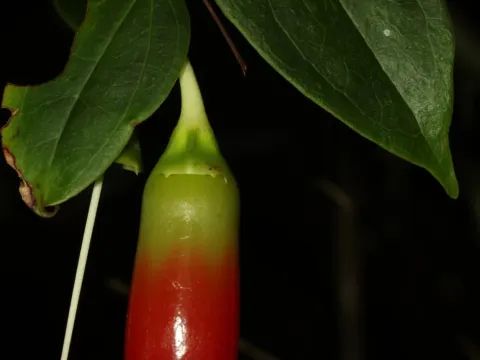
Semiramisia
Semiramisia
Sowing Semiramisia seeds requires specific environmental control, usually beginning in early spring to ensure the seedlings have a long growing season.
What the section contains

Semiramisia
The substrate must be light and acidic, mirroring the natural forest floor conditions where this genus typically establishes its initial root growth.
Seed depth should be minimal, as the seeds are quite small and require a certain level of light exposure to trigger the germination process effectively.
After the initial sowing, keeping the surface moist but not waterlogged is essential for preventing fungal damping-off during the critical early stages.
Transplanting the seedlings into larger pots should be done with extreme care to avoid damaging the delicate root hairs sensitive to physical disturbance.
As a member of the Ericaceae family, Semiramisia demands specialized soil conditions, primarily a low pH level ranging between 4.5 and 5.5 for optimal health.
The plant thrives in partial shade environments, as intense, direct sunlight often causes leaf scorch and premature wilting in its native habitats.
Consistent soil moisture is necessary, though the drainage must be excellent to prevent root rot, which is a common issue in poorly aerated soils.
Climate-wise, the plant prefers temperate conditions with high humidity levels, avoiding extremes of heat or cold that may stress the plant tissues.
- Use of organic mulch to regulate soil temperature.
- Acidifying fertilizers to maintain proper nutrient balance.
- Regular air ventilation to keep the foliage dry and healthy.
Botrytis blight is a major concern for Semiramisia, particularly in greenhouses where humidity levels often remain consistently high without adequate airflow.
Spider mites are prevalent during warm, dry periods and can rapidly colonize the undersides of leaves, causing significant chlorosis if left untreated.
Root system pathogens are the most lethal threats, often triggered by over-fertilization or the use of heavy, non-porous soil mixtures that retain water.
Leaf spots, often fungal in origin, can diminish the aesthetic value and photosynthetic capacity of the plant, necessitating periodic copper-based treatments.
Implementing an integrated pest management strategy is highly recommended to protect the crop while minimizing the impact of pesticides on the environment.