
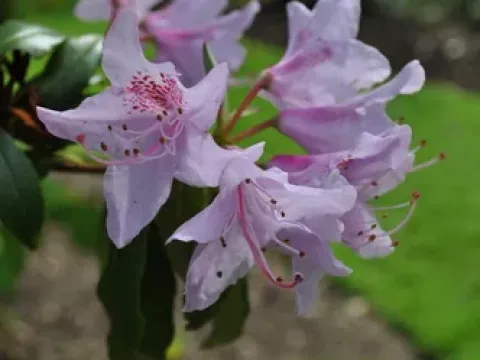
Sears rhododendron
Rhododendron searsiae
The Sears rhododendron (Rhododendron searsiae) is an evergreen ornamental shrub belonging to the Ericaceae family. It is native to the high-altitude mountainous regions of the Sichuan province in China, where it thrives in cool and humid temperate forest environments.
What the section contains
Sears rhododendron
This species has specific soil requirements, demanding acidic conditions with a pH level between 4.5 and 5.5. The growing medium must be well-draining, highly porous, and rich in organic matter, typically achieved by incorporating acidic peat moss and decomposed coniferous pine needles.
The plant performs best when placed in partial shade, where it is protected from harsh, direct sunlight that can damage its foliage. Maintaining consistent soil moisture is crucial, and the use of organic mulch is essential to protect the shallow root system from extreme temperature fluctuations.
Agrotechnical care includes the use of specialized fertilizers for acid-loving plants that do not contain lime or other alkaline agents. Pruning should be performed sparingly to maintain the plant's natural shape, usually immediately after the flowering period, while avoiding deep cuts into older wood.
The primary use for Rhododendron searsiae is in landscape architecture and horticulture as a premium specimen plant. It is highly valued for its elegant habit and aesthetic appeal, making it a staple in woodland gardens, rockeries, and specialized collections of ericaceous shrubs.
The Sears rhododendron is susceptible to various fungal diseases, with root rot caused by Phytophthora being the most serious concern, especially in heavy or waterlogged soils. Leaf spot and powdery mildew are also frequent issues when the plant is grown in areas with poor air circulation.
Insect pests often include the rhododendron lace bug, which feeds on the undersides of leaves and causes visible yellowing or mottling. Other common threats include spider mites during hot, dry spells, and vine weevils, which can cause significant damage by feeding on both the roots and foliage.