
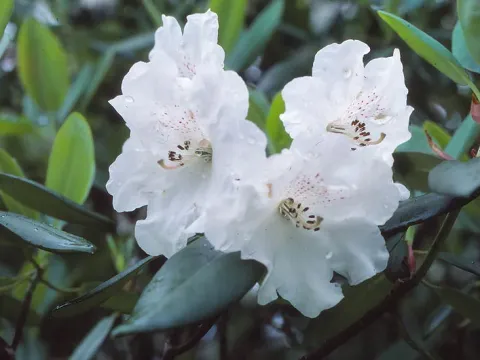
Rhododendron puralbum
Rhododendron puralbum
Rhododendron puralbum is a distinctive species within the Ericaceae family, prized for its pristine white blossoms and elegant structure. As a slow-growing evergreen shrub, it represents a significant botanical interest for collectors of alpine flora.
What the section contains
Rhododendron puralbum
Originating from the mountainous terrains of China, this species is adapted to high-altitude environments. It thrives in regions characterized by cool, moist climates and requires stable environmental conditions to maintain its structural integrity and health.
The fundamental requirement for successful cultivation is an acidic growing medium with a pH range of 4.5 to 5.5. The soil must provide excellent drainage while maintaining adequate moisture levels to support the delicate root system characteristic of the genus.
Regarding light conditions, it prefers dappled shade or indirect morning sunlight. Exposure to harsh afternoon sun can lead to leaf scorch and dehydration, necessitating a strategic location within the landscape design, ideally beneath canopy trees.
Proper maintenance involves heavy mulching with organic materials such as pine bark or composted conifer needles. This practice is essential for regulating soil temperature, preventing excessive drying of the roots, and naturally sustaining the necessary acidity.
The primary health threats to Rhododendron puralbum are fungal pathogens, including Phytophthora root rot and various leaf spot fungi, often precipitated by poor soil aeration or excessive moisture accumulation during rainy seasons.
Pest management is equally critical, as rhododendron bugs and spider mites are frequent invaders. These pests thrive in dry, stressed environments, feeding on foliage and significantly reducing the aesthetic and physiological vigor of the plant.
- Applying fungicides during periods of high humidity.
- Ensuring optimal soil drainage prior to planting.
- Sanitizing tools to prevent the spread of soil-borne pathogens.
- Monitoring the foliage for signs of chlorosis or pest infestation.
- Providing winter protection in colder hardiness zones.