
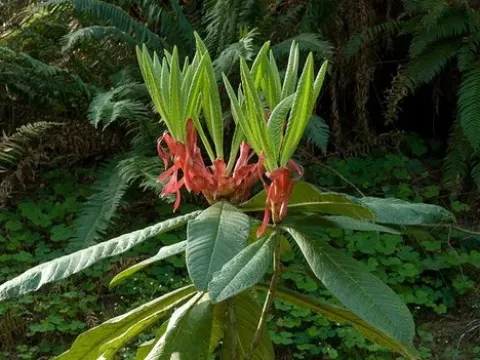
Rhododendron protistum
Rhododendron protistum
Rhododendron protistum is a distinguished member of the Ericaceae family, known for its significant ornamental value and impressive foliage. It typically grows as a robust shrub or a small tree in high-altitude forest ecosystems.
What the section contains
Rhododendron protistum
Native to the mountains of Southeast Asia, specifically in parts of China and Myanmar, this species thrives in cool, humid environments. It is highly adapted to the misty conditions found in montane regions of its origin.
The cultivation of this plant requires specific soil conditions: acidic, well-draining, and rich in organic matter. A soil pH between 4.5 and 5.5 is crucial for nutrient uptake and long-term plant health.
Light requirements are strict, as the plant prefers partial shade. Direct exposure to intense sunlight can damage the leaves, while deep shade may reduce its flowering potential significantly. Ideally, place it where it receives filtered light.
Consistent soil moisture is essential for the plant's development. Gardeners should implement a mulching strategy using pine needles or acidic peat to regulate soil temperature and retain moisture throughout the summer months.
Phytophthora root rot is one of the most serious threats to this species, especially if drainage is inadequate. This pathogen often thrives in saturated soil conditions, leading to the rapid decline of the plant.
Rhododendron bugs and spider mites are the primary pests affecting the foliage. These insects feed on the undersides of leaves, causing discoloration and weakening the plant's overall vigor if left unmanaged.
Vine weevil larvae represent a major danger to the root system. They feed on roots during the larval stage, which can result in the sudden wilting and eventual death of established specimens if not treated in time.
Disease prevention is primarily achieved through good garden hygiene and ensuring adequate spacing between plants. Improving airflow around the foliage significantly reduces the risk of fungal infections and pest outbreaks.
Integrated pest management, including regular inspection and the timely application of systemic insecticides or fungicides, is highly recommended to maintain a healthy Rhododendron protistum specimen in your garden.