
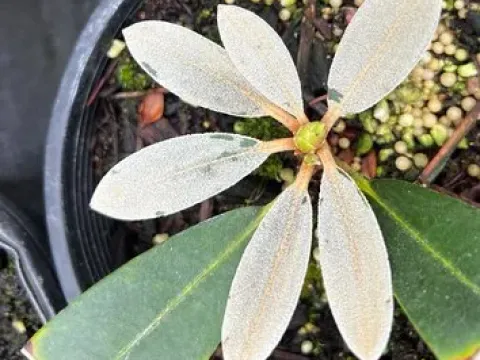
Rhododendron pocophorum
Rhododendron pocophorum
Rhododendron pocophorum is a distinct species belonging to the Ericaceae family, highly valued for its dense, leathery foliage and aesthetic appeal. In its natural habitat, it is a slow-growing evergreen shrub that thrives in the rugged mountain environments of Tibet.
What the section contains
Rhododendron pocophorum
The climate requirements for this plant demand cool temperatures and high humidity, mirroring its origin in high-altitude zones. It performs best in partial shade, as prolonged exposure to intense sunlight can damage the leaves and stress the plant's metabolic processes.
Soil management is critical for the success of Rhododendron pocophorum. It requires a well-draining, highly acidic substrate with a pH level between 4.5 and 5.5. Soil aeration is essential to prevent root suffocation, making the incorporation of organic matter such as peat or pine needles vital.
Agricultural practices involve regular maintenance, focusing on moisture retention through mulching. Pine bark or organic compost should be applied around the base to insulate the root system from extreme fluctuations in soil temperature and moisture content.
In landscaping, this species serves as a premium decorative element. It is often used in specialized gardens where acidic-soil plants are cultivated, providing year-round structural interest due to its persistent, dark green leaves and unique growth habit.
The most significant threats to the health of Rhododendron pocophorum are soil-borne pathogens, particularly Phytophthora root rot. This condition is primarily induced by poor drainage and excessive moisture, which create a favorable environment for fungal colonization.
Leaf spot diseases are also prevalent, especially in regions characterized by high rainfall and restricted air circulation. Effective management requires thinning out overly dense foliage and applying appropriate fungicides as a preventive measure during humid seasons.
Pest pressure often comes from rhododendron bugs and spider mites, which can cause significant damage to foliage. These pests feed on the cell sap, resulting in chlorotic patterns and premature leaf fall, which detracts from the plant's ornamental value.
Integrated pest management (IPM) is recommended for controlling infestations. This includes regular monitoring, the use of targeted acaricides or insecticides, and ensuring the plant remains vigorous through proper fertilization and watering schedules.
Proactive care remains the best defense against threats. By maintaining optimal soil acidity and protecting the plant from environmental extremes, gardeners can ensure the long-term vitality of Rhododendron pocophorum.