
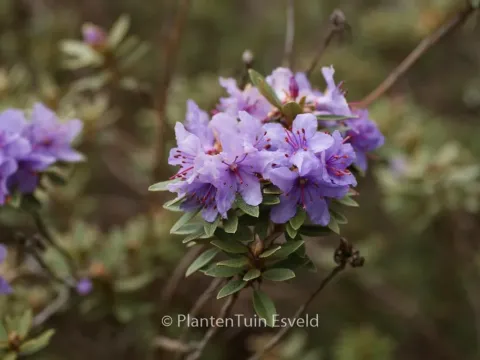
Rhododendron polycladum
Rhododendron polycladum
Rhododendron polycladum is a distinct species within the Ericaceae family, known for its elegant, many-branched growth habit. As an evergreen shrub, it provides year-round visual interest in garden landscapes.
What the section contains
Rhododendron polycladum
Originating from the mountainous regions of Southwest China, this plant is well-adapted to alpine climates. Understanding its native environment helps in recreating the conditions necessary for its successful cultivation.
Successful growth depends heavily on soil chemistry, as this species requires acidic soil with a pH between 4.5 and 5.5. A well-draining mixture of peat, pine bark, and coarse sand is the gold standard for potting or planting.
The plant thrives in dappled shade rather than full sun. Exposure to harsh afternoon sunlight can cause leaf scorch, so careful site selection is critical to maintaining the shrub's aesthetic health.
Consistent moisture levels are essential, especially during the active growing season. Mulching with acidic organic materials, such as pine needles, helps conserve soil moisture and suppresses weeds.
Phytophthora root rot is a common and serious threat to Rhododendron polycladum. It is primarily driven by poor soil drainage and waterlogged conditions, which facilitate the spread of the fungus.
Insect pests such as rhododendron bugs and spider mites are frequent invaders. They feed on the sap and foliage, leaving tell-tale signs of chlorotic spots or fine webbing on the underside of leaves.
Nutrient deficiency, specifically iron chlorosis, can mimic disease symptoms. This usually occurs when the soil pH rises, rendering essential nutrients inaccessible to the plant roots.
Integrated pest management (IPM) practices, including mechanical removal and the use of targeted insecticides, are recommended to maintain plant vitality without harming beneficial pollinators.
Regular monitoring of foliage color and crown density is the best way to detect early signs of stress. Proper pruning of dead or diseased wood is vital for overall plant hygiene and longevity.