
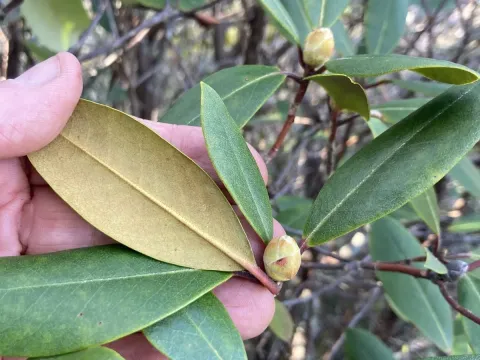
Carolina rhododendron
Rhododendron carolinianum
Carolina rhododendron, scientifically known as Rhododendron carolinianum, is a member of the Ericaceae family. It is a slow-growing evergreen shrub native to the Appalachian Mountains, prized for its compact size and beautiful pink-to-white flowers.
What the section contains
Carolina rhododendron
This species requires acidic, well-draining soil with a high organic matter content to thrive. Gardeners should ensure the soil pH is kept between 4.5 and 5.5, which is essential for the plant to absorb necessary micronutrients from the ground.
The plant thrives in partial shade, mimicking the forest understory of its native environment. Direct afternoon sunlight should be avoided to prevent leaf scorch, especially in regions with hot and dry summer months.
Consistent moisture is vital, particularly during the establishment phase. Mulching with pine needles or bark helps maintain root coolness and soil moisture levels, which protects the shallow root system from extreme fluctuations.
Horticulturally, this species is highly valued for its winter hardiness and its ability to add texture to woodland gardens. It is also a significant genetic resource in the development of new, resilient rhododendron hybrids.
Root rot is the most serious threat to this culture, usually triggered by poor drainage or heavy, compacted soil. Once the root system is compromised, the plant shows signs of wilting and often fails to recover.
Rhododendron borers can infest the stems and branches, causing significant structural damage. Monitoring for small entry holes and sawdust-like frass on the bark is crucial for early detection and intervention.
Lace bugs are common pests that feed on the undersides of leaves, causing a stippled, mottled appearance. Severe infestations can weaken the shrub, making it more susceptible to environmental stress and diseases.
Powdery mildew may occur on the foliage during periods of high humidity and poor air circulation. Proper pruning and thinning of branches can improve airflow and reduce the likelihood of fungal colonization.
Iron chlorosis, characterized by yellowing leaves with green veins, indicates a problem with nutrient uptake usually caused by high soil pH. Applying chelated iron can provide temporary relief while correcting the soil acidity.