
Cassiope hybrids
Cassiope hybrids
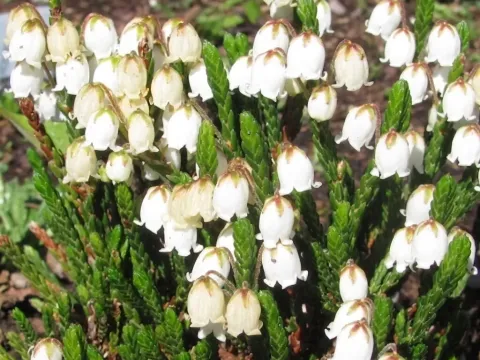
Cassiope hybrids are dwarf evergreen shrubs belonging to the Ericaceae family. Known for their distinct scale-like leaves and bell-shaped, often white flowers, they are highly valued in alpine gardening and rock landscapes for their unique, moss-like growth habit.
What the section contains
Cassiope hybrids
Originating from Arctic and subarctic regions, these plants thrive in cool, moist, and high-altitude environments. They require specific ecological conditions, making them a challenge for gardeners in warmer or low-elevation temperate zones where heat management is critical.
The cultivation requirements focus on acidic, well-draining soil that is rich in organic matter. A substrate consisting of peat moss, pine needles, and grit provides the necessary texture and acidity to support healthy growth while preventing the root system from becoming waterlogged.
Climate preferences include cool, humid air and partial shade. While they need light to produce flowers, intense midday sun can cause severe scorching of the leaves and raise the soil temperature to levels that damage the delicate roots, potentially leading to plant failure.
Maintenance involves steady moisture management. It is essential to ensure that the root zone remains consistently damp but never saturated. Mulching with inorganic materials like gravel or organic materials like pine bark helps stabilize temperatures and maintain humidity at the base of the plant.
Root rot is the most significant threat to Cassiope hybrids, typically triggered by poor drainage or overwatering. Fungal pathogens like Phytophthora can quickly destroy the root system if the soil remains waterlogged, especially during mild, damp winters.
Pests such as spider mites may occur during periods of low humidity or when the plant is stressed by heat. Regular inspection of the foliage, particularly during dry spells, is necessary to identify and treat infestations before they spread significantly.
Prevention of disease is paramount; maintaining proper air circulation around the plants helps reduce the incidence of fungal issues. It is advisable to avoid overhead watering, which can promote moisture-related pathogens on the dense, scale-like foliage.
Soil pH management is crucial. If the soil becomes too alkaline, the plant will struggle with nutrient uptake, leading to chlorosis and stunted growth. Regularly checking the pH balance and applying acidic fertilizers can help keep the plant resilient against environmental stressors.
To ensure long-term health, avoid overcrowding. Allowing adequate spacing between plants promotes better airflow and lowers humidity levels around the foliage, which is a key strategy for reducing the risk of mold and other moisture-driven health issues in the garden.