
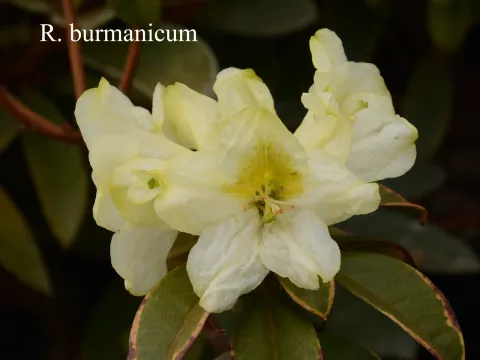
Burman rhododendron
Rhododendron burmanicum
The Burman rhododendron (Rhododendron burmanicum) is an ornamental evergreen shrub native to the mountainous regions of Myanmar. It belongs to the Ericaceae family, which is known for its high sensitivity to soil conditions and moisture levels.
What the section contains
Burman rhododendron
In cultivation, this plant requires highly acidic, well-draining soil rich in organic matter. Gardeners often use mixtures of peat moss, pine bark, and sand to recreate the conditions of its native high-altitude forest habitat.
The climate requirements include high humidity and stable temperatures. It is not frost-hardy in many regions, necessitating greenhouse protection or cultivation in large containers that can be moved indoors during the winter months.
Exposure to light should be filtered. While it enjoys a bright environment, direct mid-day sunlight will scorch the leaves and significantly reduce the plant's aesthetic value and flowering potential.
Watering is a critical component of the plant's life cycle. Soft water, preferably rainwater, is recommended to avoid pH fluctuations in the soil. Fertilization should be strictly limited to products designed for acidophilic plants to prevent root damage.
Pathogenic fungi are the primary threat to the Burman rhododendron. Root rot and Phytophthora blight are common in environments with poor drainage, which causes the roots to suffocate and the plant to decline rapidly.
Pest management involves constant monitoring for insects such as aphids, mites, and rhododendron lace bugs. These pests pierce the leaves to feed on cellular sap, causing stippling, discoloration, and overall plant weakness.
Biological and chemical control measures are effective if applied at the first sign of infestation. Systemic insecticides can provide long-term protection, but must be used carefully to avoid harming beneficial pollinators during the blooming season.
Good air circulation is essential for disease prevention. Dense plantings should be avoided, and regular pruning of dead or crossing branches helps keep the foliage dry and reduces the chances of fungal colonization.
Nutrient deficiency, often confused with disease, manifests as chlorosis of the leaves. This is usually caused by irrigation with hard water or the application of lime-based fertilizers, necessitating immediate correction of soil acidity.