
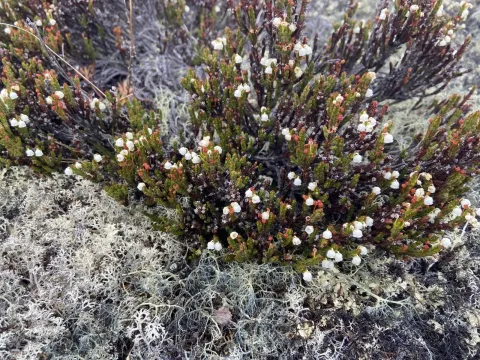
Cassiope ericoides
Cassiope ericoides
Cassiope ericoides is a distinct member of the Ericaceae family, known for its creeping habit and scale-like leaves that resemble those of common heather. It is a highly specialized plant native to the cold, high-altitude regions of the Northern Hemisphere.
What the section contains
Cassiope ericoides
In terms of cultivation, this species demands well-drained, acidic soil that mimics the rocky screes of its natural habitat. It thrives in locations where the soil remains consistently cool and moist, yet never waterlogged, which is critical for root health.
The plant performs best in alpine gardens or rockeries where it can be protected from intense summer heat and direct, harsh sun. Proper placement should ensure adequate air circulation to prevent the development of fungal issues in the dense foliage mats.
Agricultural management for this species is minimal and focused on replicating alpine conditions. Mulching with inorganic materials like grit or stone chippings helps maintain the necessary thermal stability at the root zone, keeping the soil cool throughout the growing season.
Propagation is primarily carried out via division or cuttings taken during the early growth phase. Due to its slow growth rate, Cassiope ericoides is considered a collector’s item rather than a standard commercial crop, requiring significant patience to establish large mats.
Cassiope ericoides holds no status as a traditional commercial agricultural crop. Its value is strictly limited to the ornamental horticultural industry, specifically for specialized alpine plant collectors and rock garden enthusiasts.
There is no systematic harvesting process. If propagation material or seeds are collected, it is performed by hand on a small scale, ensuring the longevity and health of the mother plants in the landscape or greenhouse setting.