
Cassiope myosuroides
Cassiope myosuroides
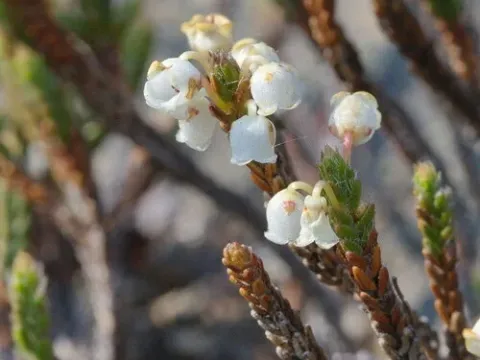
Cassiope myosuroides is a low-growing evergreen shrub belonging to the Ericaceae family. The plant is botanically distinguished by its tightly overlapping, scale-like leaves that cover the stems, resembling a mouse's tail, which gives the plant its specific epithet.
What the section contains
Cassiope myosuroides
The native range of this species is centered in cold, high-altitude alpine regions and subarctic environments. It thrives in habitats where soil moisture is consistent and temperatures remain relatively cool throughout the primary growing season.
The cultivation requirements are strict, necessitating well-drained, acidic, and organic-rich substrates. The plant is intolerant to heavy soils and requires significant amounts of grit or stone chips to ensure that excess water does not linger around the root zone.
Agrotechnical management focuses primarily on temperature and moisture control. As a plant adapted to harsh conditions, it requires protection from intense heat and direct sunlight, as these factors typically trigger irreversible physiological stress and desiccation.
In terms of practical usage, Cassiope myosuroides is highly valued in the horticulture sector for rock gardens and specialized cold-climate landscape features. It is considered a premium plant for collectors due to its slow growth rate and the unique architectural form of its foliage.
Root pathogens represent the most significant threat to the survival of the plant. In scenarios where drainage is inadequate, fungal infections quickly colonize the root system, causing decay that leads to rapid chlorosis and subsequent death of the specimen.
Insect pests are generally not a major concern; however, during periods of extreme environmental stress or prolonged drought, spider mites may become a localized issue. Effective control involves maintaining proper humidity levels and ensuring the plant remains vigorous through optimal irrigation.