
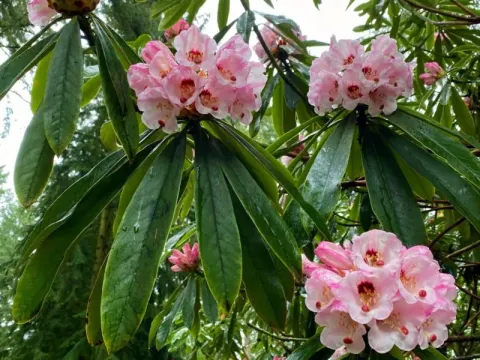
Rhododendron calophytum
Rhododendron calophytum
Rhododendron calophytum, belonging to the Ericaceae family, is a distinct tree-like species known for its magnificent inflorescences. Native to the mountainous forests of China, it thrives in cool, humid environments that mimic its natural habitat.
What the section contains
Rhododendron calophytum
The cultivation of this species requires well-drained, acidic soil rich in organic matter. Providing partial shade is crucial, as the large leaves are sensitive to intense sunlight, which can cause severe foliage scorch in drier conditions.
Botanically, the plant is characterized by its significant size and long, lance-shaped leaves. It produces large, stunning trusses of flowers in early spring, often white to deep pink in color, which serve as a major attraction for ornamental landscapes.
Proper agronomic care involves maintaining an soil pH between 4.5 and 5.5. Regular irrigation is essential, but it must be balanced with efficient drainage to prevent waterlogging, which the root system cannot tolerate.
In landscaping, it is used as a focal point in gardens or as part of woodland planting schemes. Its hardiness is a major advantage for temperate climates, although young specimens require protection from harsh winds during the early establishment period.
The primary threats to Rhododendron calophytum are fungal pathogens such as Phytophthora root rot. These thrive in poorly drained soil or areas with excessive humidity, leading to rapid decline and potential plant mortality if not addressed early.
Pests such as rhododendron lace bugs and spider mites are common concerns for this species. These insects feed on the undersides of leaves, causing chlorotic spots and premature leaf drop, which diminishes the overall vigor and aesthetic appeal of the shrub.
Iron chlorosis is another frequent issue occurring when the soil pH rises above the optimal range, causing the foliage to turn yellow. Correcting the soil chemistry is essential to restore the plant's ability to process essential nutrients efficiently.
Cultural management should focus on avoiding overhead irrigation to reduce the risk of leaf spot diseases. Ensuring adequate space between individual plants promotes better airflow, which significantly reduces the pressure from various pathogens.
Integrated pest management strategies are recommended, starting with monitoring and preventative horticultural oil applications. Maintaining high-quality, mulched soil conditions supports root health and helps the plant withstand environmental stresses.