
Rhododendron bureavii
Rhododendron bureavii
Description
Growing requirements
Rhododendron bureavii is a slow-growing evergreen shrub belonging to the Ericaceae family. Native to the high-altitude regions of Yunnan and Sichuan in China, it has evolved to thrive in specialized mountainous environments with cool, humid conditions and rocky substrate.
The cultivation of this species requires strict adherence to soil chemistry. It demands acidic, well-draining soil rich in organic matter. A pH range between 4.5 and 5.5 is essential to prevent iron chlorosis and ensure healthy root development, as the plant is highly sensitive to alkaline soil conditions.
Regarding climate, the plant prefers temperate conditions with high atmospheric humidity. It performs best in sheltered locations that provide partial shade, protecting it from intense direct sunlight and drying winds which can cause significant damage to its distinctive leathery, indumented foliage.
Proper agro-technical practices must include mulching the root zone with pine needles or acidic bark. This not only suppresses weeds but also helps maintain stable soil moisture levels and protects the shallow root system from extreme temperature fluctuations during the summer and winter months.
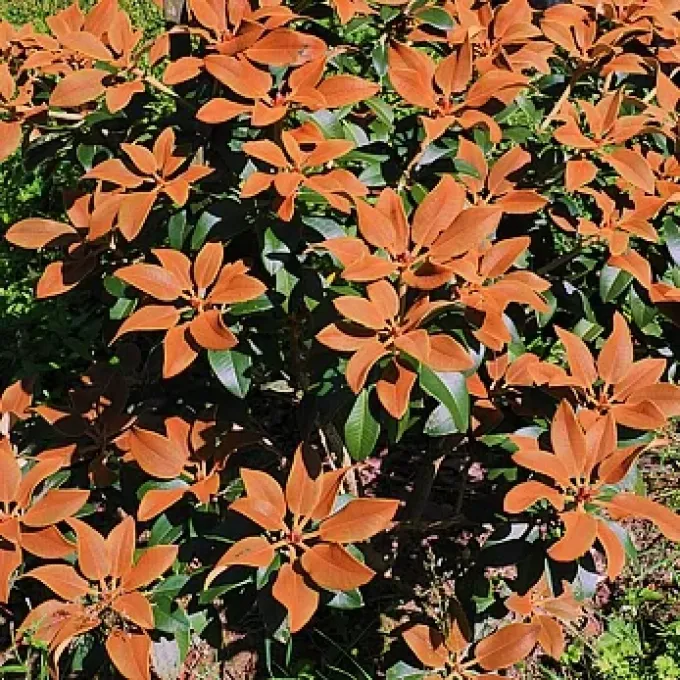
From a botanical standpoint, R. bureavii is celebrated for its attractive indumentum, a thick, woolly layer on the undersides of its leaves and stems that turns from a creamy color to a rich, rusty brown as the foliage matures, providing year-round visual interest in a garden setting.
Main diseases and pests
The plant is susceptible to several fungal issues, most notably Phytophthora root rot. To mitigate this risk, it is vital to ensure perfect soil drainage and avoid any situation where water may stand near the root crown for extended periods, as this is the primary cause of plant failure.
Common pests include the rhododendron bug and spider mites, which can sap the vitality of the shrub if left uncontrolled. Integrated pest management, including regular monitoring and the use of appropriate horticultural oils or systemic insecticides, is recommended to keep the specimens healthy and vigorous.