
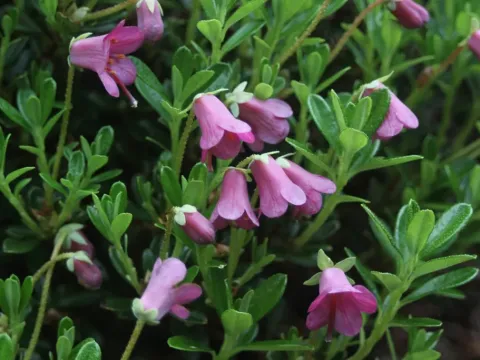
Rhododendron campylogynum
Rhododendron campylogynum
Rhododendron campylogynum is a low-growing, evergreen shrub classified within the Ericaceae family. Originating from the high-altitude regions of Southwestern China, Myanmar, and Tibet, it is naturally adapted to cool and moist mountain environments.
What the section contains
Rhododendron campylogynum
The plant thrives in semi-shaded locations where it is protected from intense midday heat. A cool, temperate climate is essential for its survival, making it an excellent candidate for regions with moderate summer temperatures and sufficient humidity.
Successful cultivation requires acidic, well-draining soil rich in organic matter. Gardeners must ensure that the planting site has excellent drainage, as the species is highly susceptible to root rot if it is exposed to waterlogged soil conditions.
Cultural practices include regular irrigation with soft, lime-free water and consistent mulching with pine needles or leaf mold. This helps to maintain soil acidity and moisture levels while providing the necessary protection for the delicate fibrous root system.
In terms of horticultural use, this species is highly valued for its dwarf habit, which makes it perfect for rock gardens, troughs, and small-scale landscape compositions. Its slow growth rate allows for long-term placement in constrained garden spaces.
Common plant pathogens affecting this species include fungal issues like Phytophthora root rot, usually triggered by poor drainage. Prevention involves careful soil preparation and avoiding excessive overhead watering that could create favorable conditions for pathogens.
Pest management focuses on controlling spider mites and rhododendron bugs, which can cause leaf discoloration and stunted growth. Integrated pest management, including regular inspection and the use of targeted acaricides, is recommended for healthy growth.