
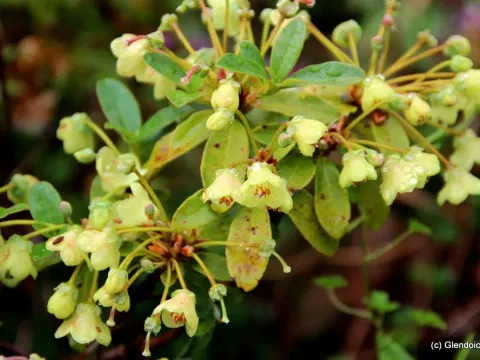
Rhododendron brachyanthum
Rhododendron brachyanthum
Rhododendron brachyanthum is a distinguished member of the Ericaceae family. Originating from the mountainous regions of Asia, specifically the Himalayas and Yunnan, this evergreen shrub is prized for its compact habit and subtle floral beauty. It is a slow-growing species that thrives in high-altitude environments.
What the section contains
Rhododendron brachyanthum
Successful cultivation of this species requires specific soil conditions, primarily an acidic, well-draining, and peaty substrate. The root system is extremely sensitive to waterlogging, necessitating excellent drainage in both garden beds and container settings to prevent root rot and physiological stress.
In terms of climate, Rhododendron brachyanthum prefers cool, moist conditions with high atmospheric humidity. Exposure to harsh direct sunlight should be minimized to protect the foliage from scorching, making partial shade or filtered light environments under a canopy of larger trees ideal for its growth.
Agrotechnical maintenance centers on moisture management and soil pH stability. Regular mulching with organic materials such as pine bark or needles is crucial to suppress weeds, maintain acidity, and keep the roots cool. Supplemental watering should be performed during dry spells using soft or rainwater.
The primary horticultural application of this plant is in ornamental garden design, particularly within rock gardens, woodland displays, or specialized ericaceous collections. Due to its unique biological stature, it is frequently chosen by landscape architects for its ability to maintain year-round visual interest.
Common pathological threats include fungal infections such as Phytophthora, which causes root decay, and various leaf spot pathogens. These diseases are most prevalent in environments with poor air circulation and excessive dampness, highlighting the need for proper site selection and sanitation.
Pest management is focused on controlling rhododendron bugs and spider mites, which can sap the vitality of the plant and cause leaf discoloration. Integrated pest management, including regular inspection and the timely application of systemic pesticides, is essential for maintaining a healthy specimen.