
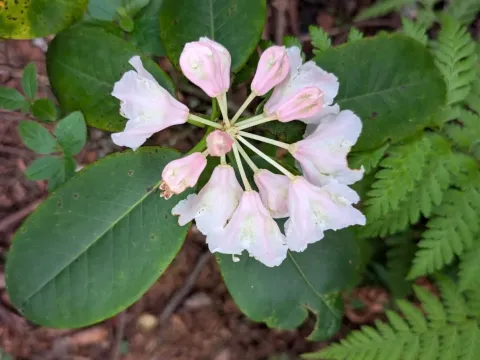
Rhododendron brachycarpum
Rhododendron brachycarpum
Rhododendron brachycarpum, commonly known as the Fuji rhododendron, is a robust evergreen shrub belonging to the Ericaceae family. It is highly valued for its extreme hardiness and ability to thrive in challenging cold climates compared to other species.
What the section contains
Rhododendron brachycarpum
Native to the mountain regions of Japan and Korea, this species is typically found in high-altitude forests and rocky slopes. Its natural adaptation to mountainous conditions makes it a reliable choice for gardens in colder northern latitudes.
Cultivation success relies heavily on soil chemistry; the plant requires acidic soil with a pH between 4.5 and 5.5. A well-draining, organic-rich growing medium is essential to prevent root rot and ensure optimal nutrient uptake for the shrub.
Rhododendrons flourish in partial shade, mimicking the forest canopy environment. Protection from strong, drying winds is crucial, as exposure can lead to severe desiccation of the evergreen leaves during the winter months.
Consistent moisture is key for healthy development. Mulching the root zone with pine bark or needles is a recommended horticultural practice to retain soil moisture, suppress weeds, and regulate temperature throughout the growing season.
The primary threats to this shrub include fungal diseases such as Phytophthora and leaf spot, which are frequently triggered by poor drainage. Ensuring that the site is not prone to waterlogging is the most effective preventative measure.
Insect pests such as the rhododendron bug, spider mites, and vine weevils can cause significant damage to the foliage and roots. Integrated pest management, including regular inspection and systemic treatments, is necessary to mitigate these issues.
Winter injury poses a significant risk to the plant's health. While the species is cold-hardy, rapid temperature fluctuations can cause foliage damage; therefore, shading the plant during early spring prevents excessive water loss while the ground remains frozen.
Iron chlorosis is a common nutrient deficiency indicator in rhododendrons grown in non-ideal soil conditions. Regular monitoring of leaf color and periodic soil testing can help maintain the required acidity for healthy chlorophyll production.
Proper plant placement and adequate aeration around the crown are vital for preventing secondary infections. Maintaining a clean garden environment by removing fallen leaves and debris reduces the fungal spore load significantly.