
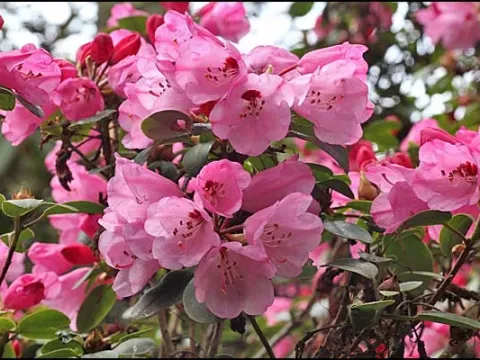
Rhododendron callimorphum
Rhododendron callimorphum
Rhododendron callimorphum is an evergreen shrub belonging to the Ericaceae family. Native to the mountainous regions of Yunnan, China, it is highly valued for its elegant, bell-shaped flowers and rounded, dark green foliage that provides year-round interest.
What the section contains
Rhododendron callimorphum
This species thrives in temperate climates with high atmospheric humidity. In cultivation, it requires specific environmental conditions to mimic its natural montane habitat, including protection from harsh winds and intense afternoon heat.
The most critical aspect of its soil requirement is acidity. The growing medium must have a pH level between 4.5 and 5.5, consisting of a well-drained mixture of peat, pine bark, and organic matter to ensure healthy root development.
Sun exposure should be managed carefully; partial shade is essential to prevent leaf scorching. While the plant requires consistent soil moisture, it is extremely sensitive to waterlogging, necessitating excellent drainage in the planting site.
Cultural practices include the regular application of acidic mulch, which helps regulate soil temperature, maintains the desired pH balance, and suppresses weed growth around the root zone.
The plant is susceptible to various fungal pathogens, most notably Phytophthora root rot, which is typically triggered by poor drainage and excessive moisture accumulation near the crown.
Pests such as rhododendron bugs, spider mites, and aphids can infest the foliage, causing stippling or premature leaf drop. Early detection is vital for preventing widespread damage during the growing season.
Leaf chlorosis is a common disorder caused by iron deficiency, often resulting from improper soil pH rather than an actual lack of nutrients in the ground, requiring pH monitoring and correction.
Integrated pest management, including regular inspection and the use of targeted fungicides or acaricides, is recommended for maintaining the vitality of the shrubs in an agricultural or decorative setting.
Promoting good airflow by avoiding overcrowding and ensuring proper sanitation by removing dead or diseased plant material are essential components of a successful disease prevention strategy.