
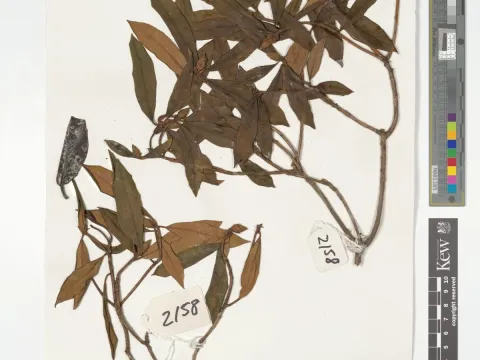
Rhododendron brevistylum
Rhododendron brevistylum
Rhododendron brevistylum belongs to the Ericaceae family. It is an evergreen shrub characterized by its unique botanical feature, a short style in the pistil, which distinguishes it from many other species in the genus.
What the section contains
Rhododendron brevistylum
Native to high-altitude regions of southwest China, this plant thrives in environments that mimic its natural mountain habitat. It requires a cool, humid climate to remain healthy and reach its full aesthetic potential.
Cultivation requires acidic, well-draining soil rich in organic matter. Planting in heavy clay or waterlogged areas should be avoided, as the root system is highly sensitive to hypoxia and fungal rot.
The ideal location for this shrub is in partial shade, shielded from the intense afternoon sun. Exposure to direct sunlight for extended periods can cause leaf scorch and damage the plant's delicate vascular tissues.
Maintenance involves frequent mulching with coniferous bark or needles to preserve soil moisture and maintain acidity. Regular, controlled watering is essential, especially during dry spells, using non-alkaline water sources.
The most significant threat to Rhododendron brevistylum is Phytophthora root rot, which typically occurs in poorly drained soils. Once established, this pathogen is difficult to control, making prevention via soil management a priority.
Insect pests such as rhododendron lace bugs are common nuisances. They cause stippling on the leaves, which ruins the plant's appearance and can lead to significant vigor loss if infestations remain untreated.
Spider mites are also known to affect the foliage, particularly when ambient humidity is low. Monitoring the undersides of leaves and increasing atmospheric moisture can help mitigate the risks associated with these pests.
Fungal leaf spots can develop in conditions of high humidity with poor air circulation. Pruning for better plant spacing and canopy airflow is a recommended cultural practice to reduce the incidence of these diseases.
Effective management requires a combination of vigilance and proactive care. By maintaining optimal soil pH and providing appropriate environmental conditions, gardeners can keep these shrubs resistant to most common diseases.