
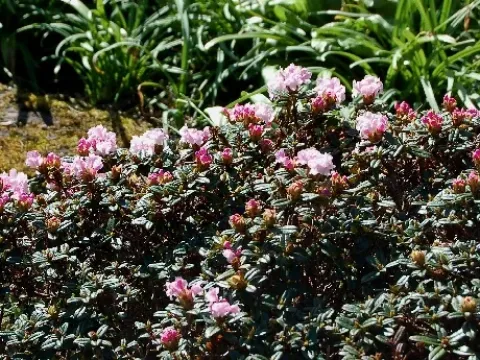
Rhododendron cephalanthum
Rhododendron cephalantum
Rhododendron cephalanthum is a low-growing, evergreen dwarf shrub belonging to the Ericaceae family. It is highly valued in horticulture for its dense, cushion-like habit and small, fragrant, clustered flowers.
What the section contains
Rhododendron cephalanthum
Native to the high-altitude regions of the Himalayas and Tibet, this species thrives in cool, alpine climates. It is an excellent choice for rock gardens where its compact size and slow growth rate are significant advantages.
The cultural requirements are strict: the plant necessitates acidic soil (pH 4.5–5.5) that is rich in organic matter. A well-draining substrate is mandatory, as the roots are highly susceptible to rot in stagnant water.
Light levels should be carefully managed; while it requires energy for blooming, intense afternoon sun is detrimental. Partial shade or a position with morning light only is ideal for maintaining leaf health.
To ensure healthy growth, the root zone must be kept cool and moist. Applying a thick layer of mulch, such as pine needles or bark, helps maintain consistent soil moisture and provides the necessary acidic environment.
Fungal diseases are the primary threat, specifically Phytophthora root rot. This usually occurs when the soil lacks proper drainage or when the root crown is buried too deeply in a damp medium.
Pest issues include rhododendron leafhoppers and spider mites. These pests thrive in dry conditions, underscoring the importance of maintaining adequate atmospheric humidity around the foliage.
Nutrient deficiencies, particularly chlorosis caused by high soil alkalinity, can be managed by applying iron chelates. Avoiding chemical fertilizers with a high calcium content is essential to prevent this issue.
Proper hygiene is a critical component of integrated pest management. Removing dead leaves and branches helps minimize the buildup of fungal spores that could lead to widespread infections during rainy seasons.
Regular monitoring during the growing season allows for early detection of potential outbreaks. Applying selective organic fungicides is recommended as a preventative measure in susceptible microclimates.