
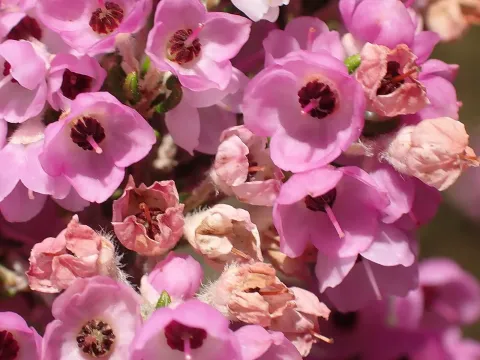
Erica chamissonis
Erica chamissonis
Erica chamissonis is a notable shrub species belonging to the Ericaceae family, native to the diverse ecological landscapes of South Africa. As an ornamental and specialized crop, it requires precise environmental control to thrive outside its natural habitat.
What the section contains
Erica chamissonis
The substrate composition is of paramount importance for the successful cultivation of this plant. It requires highly acidic soils with a pH ranging from 4.5 to 5.5, ideally composed of peat moss, coarse sand, and organic mulching material to mimic its native conditions.
Adequate hydration management is critical for the long-term viability of the plant. It requires consistent moisture, but absolutely cannot tolerate waterlogged conditions, which lead to rapid root rot and systemic failure of the shrub's vascular system.
Exposure to full sunlight is essential for the healthy development of Erica chamissonis. While it adapts to light shade, reduced light levels significantly diminish its flowering capacity and alter the plant's natural morphology, leading to weaker, elongated stems.
Agronomic maintenance should focus on the avoidance of calcareous water, as even minor levels of calcium carbonate can elevate the pH of the soil, causing irreversible chlorosis. Regular application of nitrogen-poor, acid-loving plant fertilizers is recommended during the early growth stages.
The primary pathogenic threats to this crop involve various soil-borne fungi, such as Phytophthora species, which thrive in conditions of high soil moisture and poor aeration. These pathogens cause root necrosis and eventual plant wilting, necessitating strict sanitation protocols.
Pest management should primarily target common sap-sucking insects such as aphids and spider mites. These pests thrive in dry environments and can cause significant damage to the foliage; integrated pest management (IPM) strategies, including horticultural oils, are effective for control.