
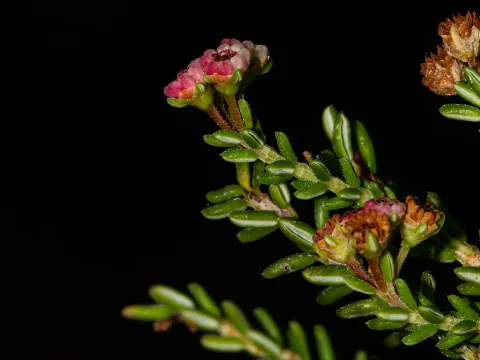
Erica benguelensis
Erica benguelensis
Erica benguelensis belongs to the Ericaceae family, a diverse group of plants known for their specialized ecological requirements. Native to the mountainous regions of Angola, this evergreen shrub has evolved to thrive in specific, nutrient-poor, yet acidic environments.
What the section contains
Erica benguelensis
The botanical structure of the plant is characterized by small, needle-like leaves and a compact growth habit, which allows it to conserve moisture efficiently. It is particularly valued for its resilience in challenging soil conditions where other crops might fail.
Regarding climate, this species prefers cool, airy locations with high atmospheric humidity. It is sensitive to extreme heat and does not tolerate direct, scorching sun for extended periods, making partial shade an ideal placement in warmer regions.
Soil management is the most critical aspect of the cultivation of Erica benguelensis. The medium must be highly acidic, well-draining, and rich in organic matter. Avoid fertilizers containing calcium, as this species lacks the ability to process high-pH conditions.
In terms of agricultural utility, the plant serves primarily as an ornamental specimen in specialized gardens. Its cultivation requires professional attention to irrigation using mineral-free water, as water quality directly impacts the health of the root system.
Phytophthora root rot is the most common threat to this culture, usually caused by waterlogged soil conditions. Providing an impeccable drainage layer is the primary preventive measure against this aggressive fungal pathogen.
Foliar diseases, including botrytis, can manifest in overly dense plantings with poor ventilation. Regular pruning to thin out the canopy is essential to maintain optimal airflow and prevent the buildup of pathogens on foliage.
Pests such as spider mites may pose a risk in greenhouse environments or during periods of prolonged drought. Monitoring the undersides of the leaves and maintaining adequate humidity levels are key to managing these infestations.
Chlorosis, induced by improper soil alkalinity, is a physiological disorder that restricts the plant's ability to absorb vital micronutrients. Regular testing of the soil pH level is necessary to ensure the plant remains in its optimal growth zone.
Overwintering conditions must be monitored to ensure the plant is protected from severe frost if grown outside its native range. Providing breathable winter covering can prevent tissue damage during extreme weather events.