
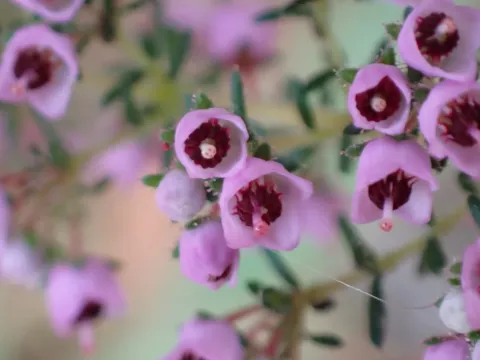
Erica bicolor
Erica bicolor
Erica bicolor is a perennial evergreen shrub belonging to the Ericaceae family. Known for its distinct bicolor flowers, this species is highly valued in horticulture for its ornamental properties and its ability to add color to landscapes during specific blooming seasons.
What the section contains
Erica bicolor
The plant originates from regions with mild maritime climates. It thrives in sunny locations but requires specific soil conditions. Like other members of its family, it demands acidic, well-draining soil to function correctly, as it cannot tolerate calcareous or alkaline substrates.
Agricultural practices for this species focus heavily on maintaining the correct soil pH, ideally between 4.0 and 5.5. Soil preparation often involves adding organic matter like peat moss or coniferous forest litter to ensure optimal acidity and structure for the roots.
Climate management is crucial for the survival of Erica bicolor. It prefers stable temperatures and high humidity levels. In regions with harsh winters, protection measures such as mulching and covering with breathable agricultural fabric are essential to prevent frost damage.
This shrub is primarily used in landscape design, specifically in heather gardens, rock gardens, and border arrangements. Its slow-growing nature makes it an excellent candidate for long-term container gardening when provided with appropriate care and substrate.
Fungal infections remain the primary threat to Erica bicolor, especially those triggered by waterlogged soil. Phytophthora root rot is particularly devastating, as it can kill the plant quickly by disrupting the root system’s ability to absorb nutrients and water.
Gray mold, also known as Botrytis, can affect the foliage and stems in damp, poorly ventilated conditions. This disease typically manifests as a fuzzy, grayish-brown growth on the affected parts, often resulting in tissue necrosis if left untreated.
Insects like scale insects and spider mites are frequent pests during hot, dry weather. They cluster on the underside of leaves and along young stems, sucking sap and causing the plant to lose vitality and exhibit signs of stunted growth.
Effective pest and disease management requires a proactive approach. Regular monitoring, proper spacing to ensure airflow, and the application of fungicides or insecticides as needed are essential to maintain the health of the collection.
Ultimately, providing the plant with the right environmental balance—adequate drainage, correct acidity, and sufficient light—is the most effective way to prevent the majority of health issues, leading to a robust and long-lived ornamental shrub.