
Erica cylindrica
Erica cylindrica
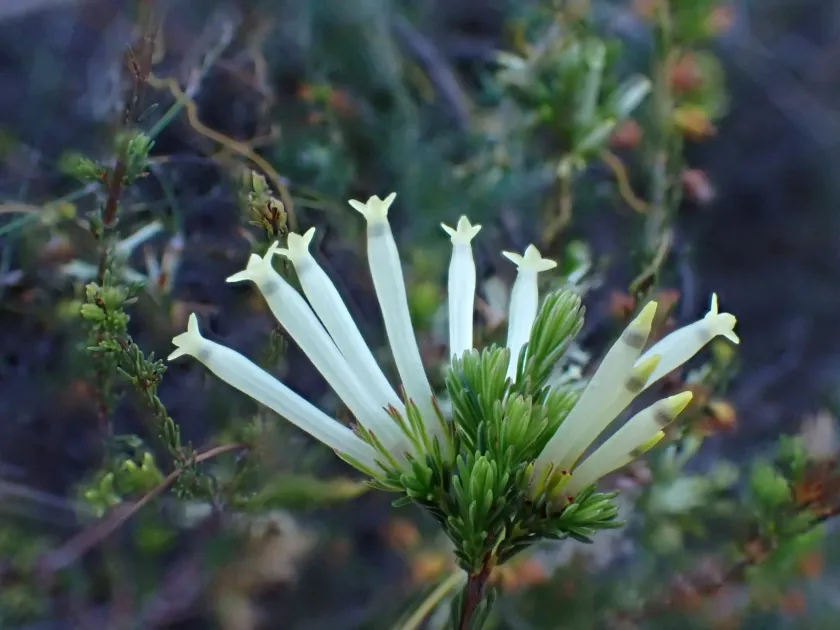
Description
Growing requirements
Erica cylindrica is an elegant evergreen shrub belonging to the Ericaceae family. Native to the unique climatic zones of South Africa, this species is highly regarded in horticulture for its distinct, tube-shaped flowers.
The plant thrives in regions with Mediterranean-type climates, requiring significant sunlight to flourish. Because it lacks cold hardiness, it is typically grown as a greenhouse or conservatory plant in temperate regions.
Cultivation success heavily depends on the substrate composition. A well-draining, acidic medium rich in organic matter is essential for root health, as stagnant water will quickly cause root rot.
Watering management is a critical factor; the soil should be kept consistently moist but never waterlogged. Using lime-free water is highly recommended to maintain the acidity levels required for nutrient uptake.
In landscape use, Erica cylindrica serves as an aesthetic focal point in heather gardens or specialized containers. Its long-lasting blooms and evergreen foliage offer year-round visual appeal in controlled environments.
Main diseases and pests
The most significant threat to Erica cylindrica is root rot, often caused by pathogens like Phytophthora. These fungi thrive in damp, poorly aerated soils and can decimate a plant population rapidly.
Powdery mildew can pose a risk during periods of high humidity and poor air circulation. The characteristic white fungal growth restricts leaf function and detracts from the plant's overall health and appearance.
Pests such as spider mites and scale insects are common in glasshouse conditions. These pests thrive in dry environments and can severely weaken the plant by extracting sap from the leaves and stems.
Effective management includes maintaining optimal spacing between plants and ensuring good air movement. If pests are detected, targeted application of appropriate miticides or insecticides is necessary for control.
Routine inspections and the removal of diseased foliage are essential maintenance practices. By keeping the plant clean and providing balanced nutrition, you significantly improve its resistance to environmental stressors.