
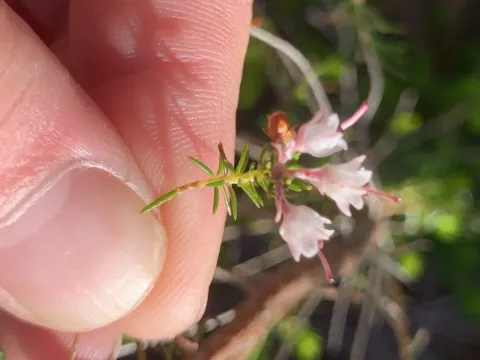
Erica brownleeae
Erica brownleeae
Erica brownleeae is a distinct evergreen shrub belonging to the Ericaceae family, native to the mountainous regions of South Africa. It is recognized for its unique botanical structure and specialized adaptation to rocky, acidic habitats.
What the section contains
Erica brownleeae
The plant features fine, needle-like foliage and displays elegant inflorescences. Its morphological traits reflect a specialized evolutionary adaptation to nutrient-poor soils and specific microclimates found within the Cape floral region.
In terms of agricultural and horticultural requirements, it thrives in well-drained, acidic soil. The substrate must be porous, mimicking the natural conditions of the fynbos biome. Standard potting mixes for heathers, consisting of peat, sand, and perlite, are typically recommended.
Climate preferences involve a balance between light exposure and temperature control. While the species is accustomed to temperate conditions, it requires protection from severe frost and intense direct heat, often making it ideal for greenhouse or container cultivation.
Its primary use is ornamental. Erica brownleeae is highly sought after by collectors of exotic flora for use in rock gardens, heath-themed landscapes, and as a sophisticated container plant for decorative interiors.
The most significant threats to the plant involve fungal pathogens that thrive in waterlogged soil. Root rot is a common issue if the drainage system is compromised, necessitating strict irrigation protocols.
Pest pressure from spider mites and scale insects can be significant in indoor environments. Effective management strategies include maintaining adequate humidity and applying targeted biological control agents when necessary.
Physiological issues such as leaf chlorosis often arise due to improper soil pH or iron deficiency. Applying chelated iron supplements and maintaining soil acidity are essential to preserve the vibrant green color of the foliage.
Regular pruning is a vital agronomic practice for this species. It prevents the plant from becoming woody and leggy, encouraging denser growth and a more profuse display of flowers during the blooming season.
Observation of the plant's health status is critical throughout the vegetative period. Early intervention upon detecting foliage discoloration or stunted growth is the hallmark of professional care for Erica species.